Using Leading Lines to Add Depth to Your Travel Photos
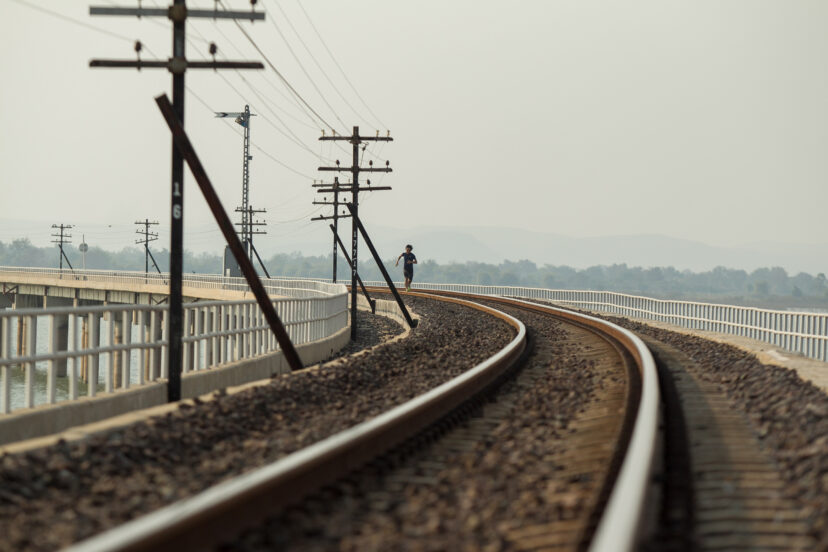
Master leading lines to create depth and guide viewers’ eyes in your shots.
Whenever I explore a new destination, I’m constantly searching for ways to make my travel photos feel immersive—like the viewer could step right inside the frame. And one of the most effective tools I rely on is leading lines. If you learn how to recognize them, use them, and intentionally compose with them, your travel photos instantly become more dynamic, more polished, and more professional.
What Are Leading Lines?
Leading lines are visual guides naturally found in a scene that draw the viewer’s eye toward a specific point.
How Leading Lines Guide the Viewer’s Eye
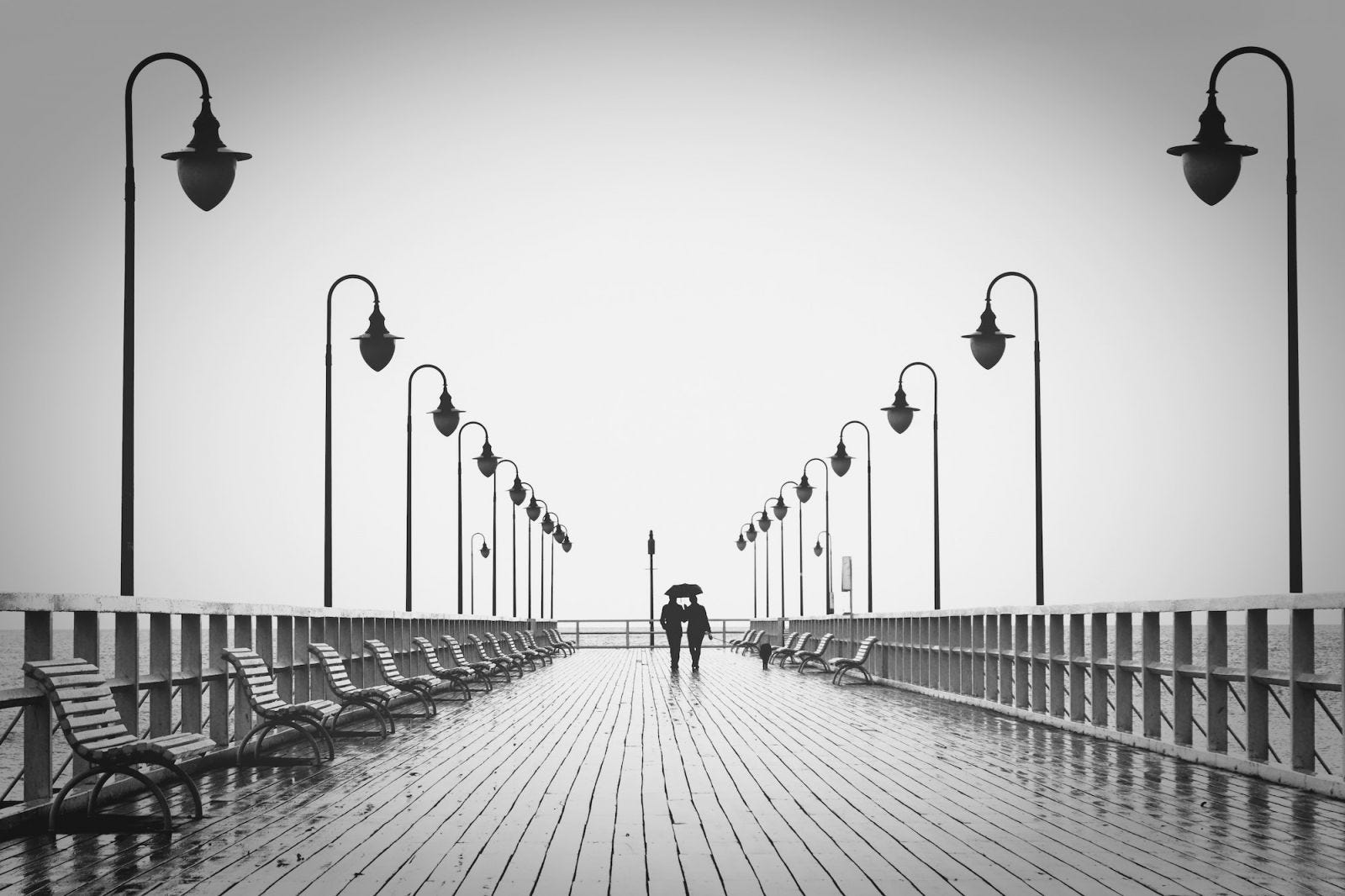
Lines create direction. Whether it’s a road winding into the horizon or a row of street lamps, leading lines show the viewer where to look first and where to move next within the frame.

Why Leading Lines Matter in Travel Photography
Leading lines aren’t just a compositional trick—they’re a storytelling tool.
Creating Depth in Wide Scenes
When you use lines strategically, your images gain a sense of depth and dimension, especially in wide landscapes or sprawling cities.
Enhancing Visual Storytelling
Leading lines help viewers emotionally “enter” your photo. That engagement creates stronger storytelling and a more memorable image.
Types of Leading Lines You Can Use
Travel photography gives you an endless supply of lines—both natural and artificial.
Natural Lines
Nature is full of stunning linear shapes.
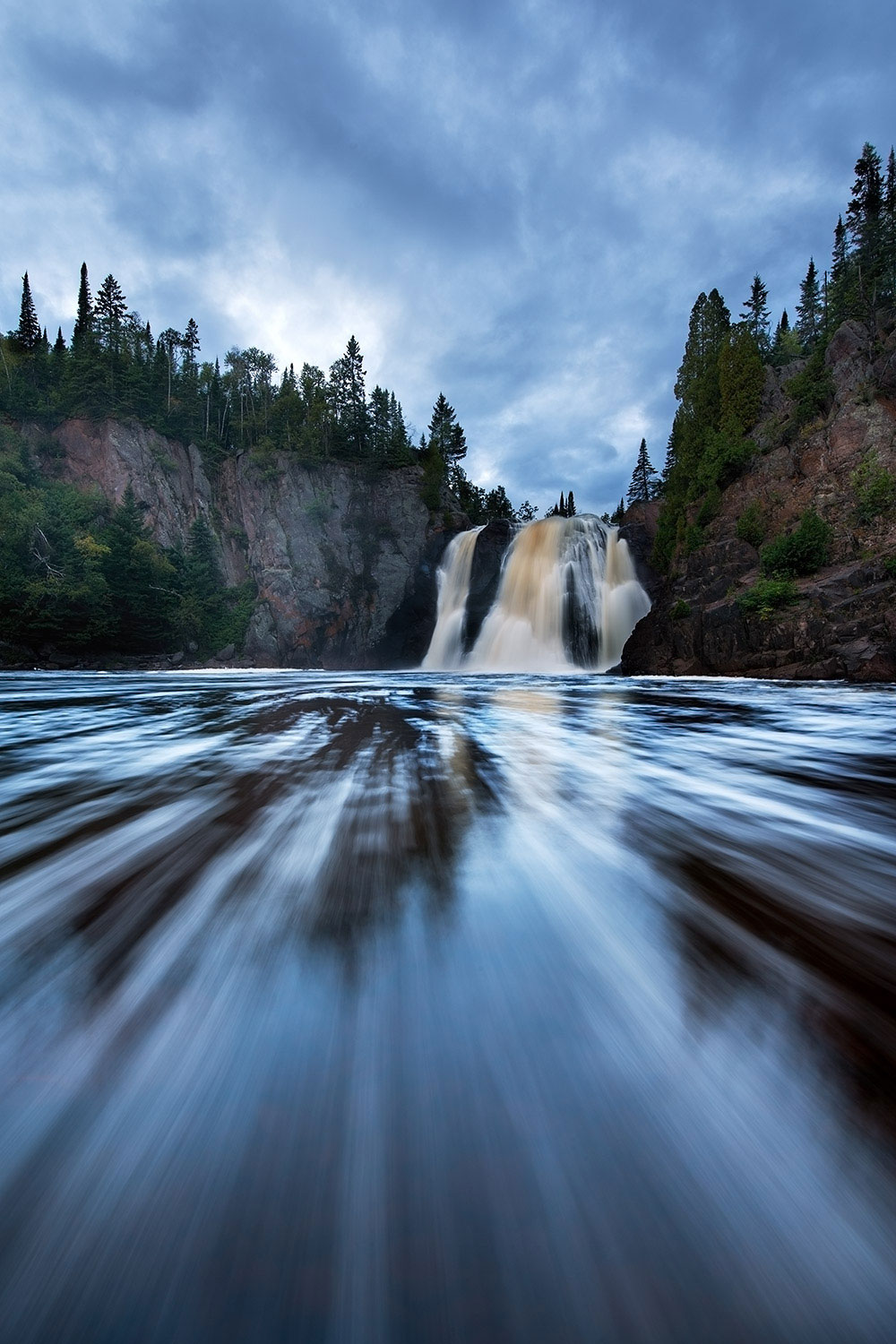
Rivers, Shorelines, Cliffs
These natural curves gently guide the viewer through the landscape.

Artificial Lines
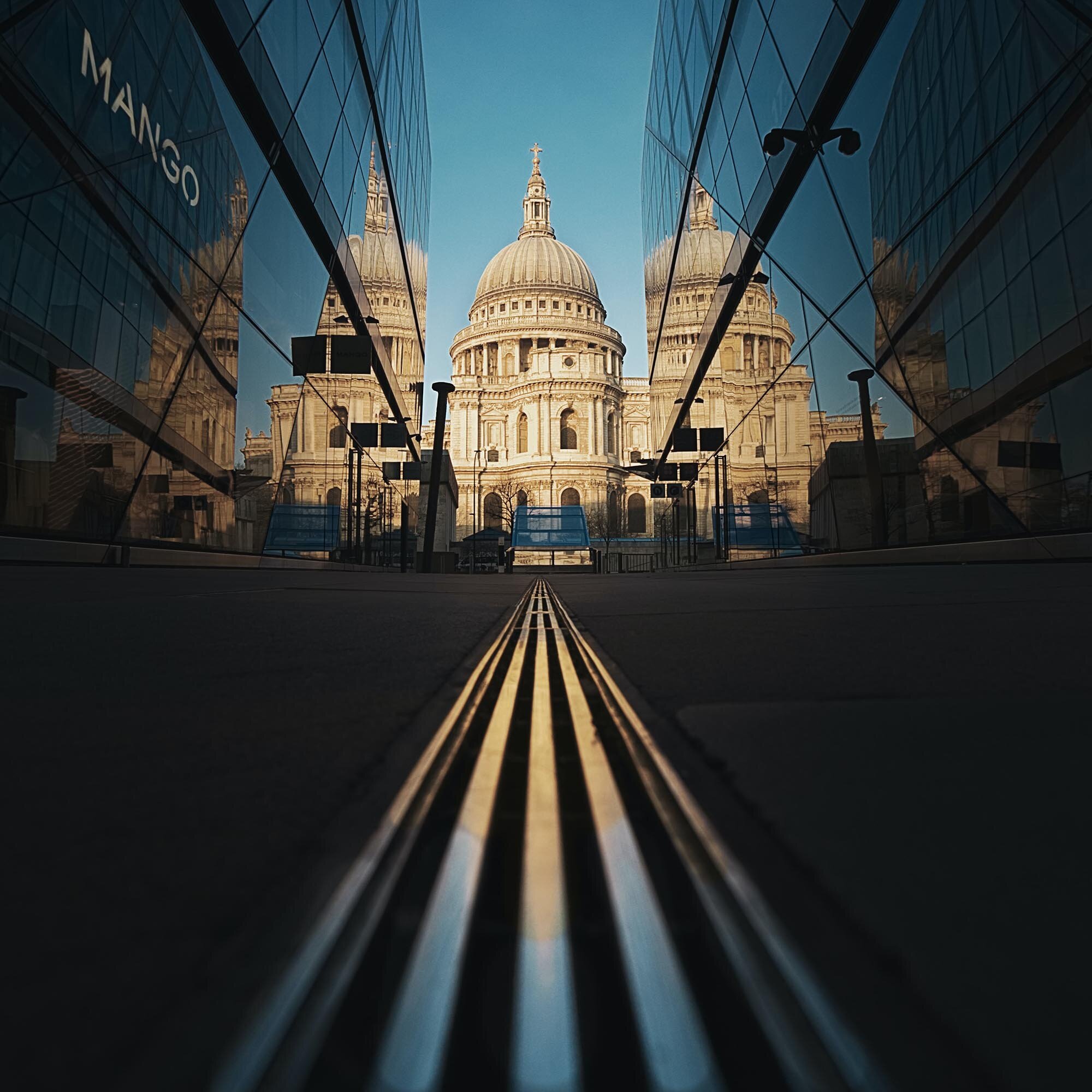
Cities and historic sites offer some of the clearest leading lines.
Roads, Bridges, Pathways
Urban lines often create strong contrast and geometry, perfect for dramatic travel photos.

Implied or Abstract Lines
Not all lines are literal.
Shadows, Patterns, Repetition
Repeating elements—arches, fences, lamp posts—can subtly direct the viewer’s attention.
How to Find Leading Lines While Traveling
Finding great lines is often a matter of awareness.
Scout Locations Thoughtfully
Before pulling out your camera, walk around and examine the flow of the environment.
Analyze Your Scene Before Shooting
Ask yourself:
-
Where does my eye go first?
-
What elements naturally guide my vision?
-
Can I reposition myself for a stronger line?
How to Compose Photos Using Leading Lines
Leading lines become powerful when paired with strong composition.
Positioning Lines to Guide the Viewer
Place lines so they lead to your:
-
Subject
-
Focal point
-
Point of interest
-
Horizon
Avoid lines that pull the eye away from your main story.
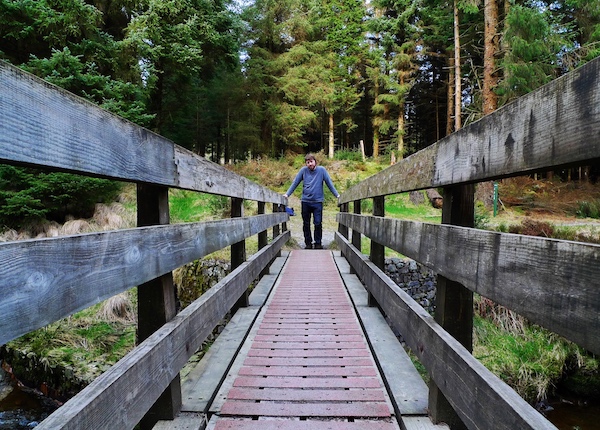
Using Foreground Elements for Depth
A strong line that begins in the foreground immediately increases three-dimensionality.
Combining Leading Lines With the Rule of Thirds
Lines that intersect or point toward the rule-of-thirds grid points feel more balanced and intentional.
Camera Settings & Techniques That Improve Leading Lines
Your gear and settings can enhance the effects of leading lines.
Choosing the Right Lens
A wide-angle lens exaggerates lines and makes scenes feel more immersive—perfect for sweeping landscapes or grand architecture.
Aperture for Depth Enhancement
Use a narrower aperture, such as f/8 to f/16, to keep lines crisp from foreground to background.
Using Perspective and Angles
Changing your angle drastically alters the strength of your lines.
Get low, lean in, shift left or right—each move transforms the composition.

Practical Examples of Leading Lines in Travel Photography
Here are real-world situations where leading lines shine.
Roads in Mountain Landscapes
Mountain roads create powerful converging lines that naturally pull the viewer toward the horizon.
Alleyways and Urban Symmetry
European alleys, ancient markets, and modern city streets all offer perfect symmetrical lines.
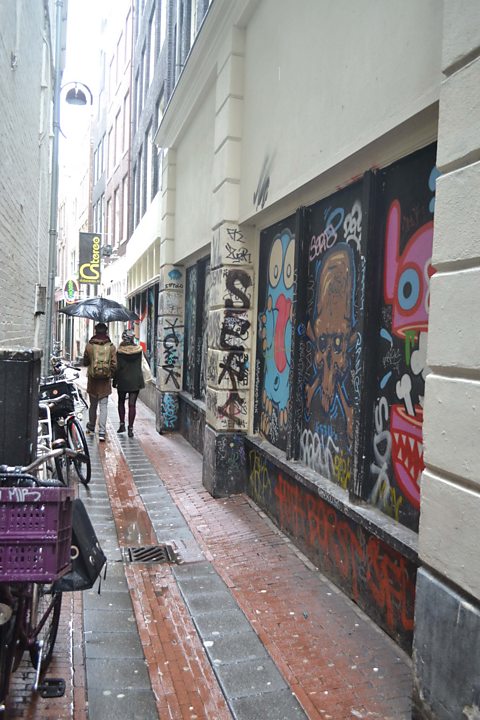

Beaches and Shorelines
Shorelines form gentle curves that guide the eye across a serene scene—ideal for sunrise travel shots.
Common Mistakes to Avoid
Even with strong lines, small mistakes can weaken your composition.
Lines Leading Out of the Frame
Ensure your lines pull the viewer into the image—not away from it.
Overly Complex Compositions
Too many lines create visual chaos. Simplify whenever possible.
Distracting Elements Near the Lines
Clutter around your leading lines competes for attention. Clean your frame intentionally.
Conclusion
Leading lines are one of the most powerful tools in travel photography. Once you train your eye to see them, you can instantly master leading lines to create depth and guide viewers’ eyes in your shots. Whether you’re exploring mountain roads, wandering cobblestone streets, or capturing coastal landscapes, leading lines give your photos structure, flow, and storytelling depth.
Practice spotting them everywhere you travel, and you’ll see your photography transform quickly.
FAQs
1. What lens is best for capturing leading lines?
Wide-angle lenses exaggerate lines and help create strong depth.
2. Should leading lines always point to the subject?
Not always—but they should point to something meaningful or visually interesting.
3. Can leading lines be curved instead of straight?
Absolutely! Curved lines often feel more natural and dynamic.
4. How do I spot leading lines quickly when traveling?
Look for repeating patterns, strong pathways, or natural formations that create direction.
5. Can I use leading lines in portrait travel photography?
Yes—place your subject at the convergence of lines for a compelling composition.
Further photo tips here:
https://phototipsgalore.com/using-negative-space-to-create-minimalist-photography/ https://phototipsgalore.com/fashion-photography/ https://phototipsgalore.com/best-tripods-for-travel-outdoor-photography-2/ https://phototipsgalore.com/eye-photography/