Understanding Natural Light in Photography (and How to Master It)
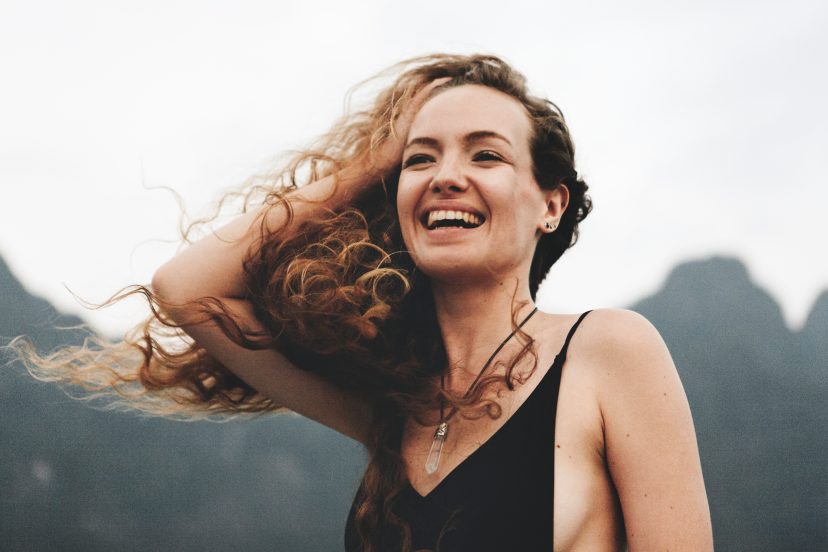
Natural light is the most powerful tool in photography—and the most misunderstood. I’ve learned through experience that mastering light matters far more than owning expensive gear. In this guide, I’ll show you how to master natural light photography to shoot beautiful images anywhere, whether you’re indoors, outdoors, or traveling with nothing but your camera.
If you can see light, you can learn to use it.
What Is Natural Light in Photography?
Natural light is any light that comes from the sun. That includes direct sunlight, window light, shade, reflections, and even overcast skies. It’s constantly changing, which makes it challenging—but also exciting.
Once you start noticing how sunlight behaves, photography becomes less technical and more intuitive.
Why Natural Light Is a Photographer’s Best Friend
Natural light feels real. It creates believable skin tones, gentle shadows, and emotional depth that artificial light often struggles to match.
When you master natural light photography to shoot beautiful images anywhere, you stop chasing perfect setups and start creating images that feel alive.
Natural light teaches you to see, not just shoot.
The Different Types of Natural Light
Not all natural light behaves the same way. Knowing the difference helps you predict results.
Direct Sunlight
Direct sunlight is strong and contrasty. It creates harsh shadows and bright highlights. While difficult for portraits, it’s excellent for dramatic, high-impact images when used intentionally.
Diffused Light
Diffused light occurs on cloudy days or when sunlight passes through curtains, trees, or sheer fabric. This is the most flattering light for portraits and beginners.
Reflected Light
Reflected light bounces off surfaces like walls, sand, or pavement. It acts as a natural softbox and is perfect for subtly lighting faces.
How Time of Day Affects Natural Light
Time of day dramatically changes light quality and mood.
Golden Hour
Golden hour happens shortly after sunrise and just before sunset. The light is warm, soft, and directional—ideal for portraits and landscapes.
This is when light feels emotional.
Midday Light
Midday light is harsh and overhead. Instead of fighting it, look for open shade or use shadows creatively.
Blue Hour
Blue hour creates cool tones and soft contrast. It’s perfect for moody scenes, cityscapes, and storytelling photography.
📷 Royalty-Free Image:
https://unsplash.com/s/photos/golden-hour-photography
Understanding Light Direction
Direction controls mood and depth more than brightness.
Front Light
Front light is even and safe but can feel flat. It works well for clean, simple images.
Side Light
Side light adds depth, texture, and emotion. It’s one of my favorite lighting styles for portraits.
Backlight
Backlight creates glow, rim light, and atmosphere. Expose for the subject and let highlights bloom naturally.
>>> Buy latest prime lenses here <<<
Using Natural Light Indoors
Indoor natural light photography is incredibly powerful when done right.
Window Light Techniques
Place your subject near a window at a slight angle. This creates soft shadows and natural dimension without any gear.
Sheer curtains make perfect diffusers.
Managing Harsh Indoor Contrast
Turn off overhead lights. Use light-colored walls to bounce light naturally. Simpler setups produce better results.
📷 Royalty-Free Image:
https://unsplash.com/s/photos/window-light-portrait
Camera Settings for Natural Light Photography
Settings should support the light—not overpower it.
ISO
Keep ISO low when possible, but don’t be afraid to raise it indoors. Grain is better than motion blur.
Aperture
Wide apertures like f/1.8–f/2.8 let in more light and create beautiful background separation.
Shutter Speed
Match shutter speed to movement. Sharp emotion matters more than perfect exposure.
How to Shape Natural Light Without Gear
You don’t need expensive tools to control light.
Using Reflectors
A white wall, poster board, or sheet works perfectly as a reflector. Bounce light gently back onto faces.
Using Shadows Creatively
Shadows aren’t mistakes—they add mood. Let them become part of the story instead of something to eliminate.
📷 Royalty-Free Image:
https://www.pexels.com/search/shadows%20portrait/
Common Natural Light Photography Mistakes
Avoid these common errors:
-
Shooting harsh light without intention
-
Ignoring background brightness
-
Mixing artificial and natural light
-
Blowing out highlights
Natural light rewards patience and observation.
Practicing Natural Light Photography Anywhere
Practice everywhere—bedrooms, cafés, sidewalks, parking lots. Watch how light moves and reflects. Study shadows like clues.
That’s how you truly master natural light photography to shoot beautiful images anywhere.
Conclusion
Natural light is unpredictable—and that’s exactly why it’s powerful. Once you understand how it behaves, where it comes from, and how to shape it, photography becomes simpler and more expressive. Master natural light, and you’ll never feel limited by location or gear again.
>>> Buy latest prime lenses here <<<
FAQs
What is the best time of day for natural light photography?
Golden hour offers the softest and most flattering light.
Can I shoot natural light indoors without windows?
It’s possible, but windows dramatically improve light quality and direction.
Is cloudy weather good for photography?
Yes. Clouds act like giant natural softboxes.
Do I need reflectors for natural light photography?
No. Walls and simple surfaces work just as well.
Can beginners master natural light photography?
Absolutely. Natural light is the best teacher.
Further photo tips here: