Understanding Depth of Field: How to Control Background Blur

Learn to use aperture and distance to control background blur beautifully. If there’s one thing that instantly makes a photo look “professional,” it’s background blur. You know the look—your subject pops, the background melts away, and the image feels intentional. In this guide, I’ll show you exactly how I learned to use aperture and distance to control background blur beautifully, without overcomplicating things.
What Is Depth of Field (In Plain English)
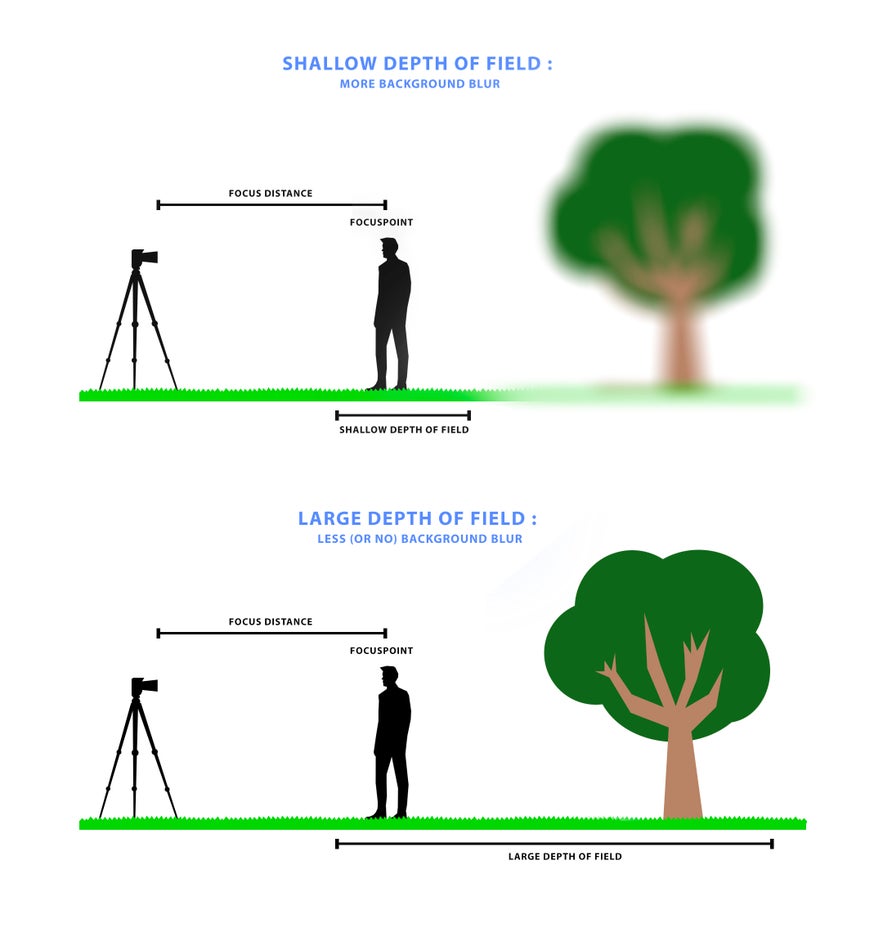
Depth of field is simply how much of your photo is in focus from front to back. That’s it. No mystery, no jargon.
Shallow vs Deep Depth of Field
A shallow depth of field means only a small slice of the image is sharp, while the rest is blurry.
A deep depth of field keeps most (or all) of the scene in focus.

Why Background Blur Matters in Photography
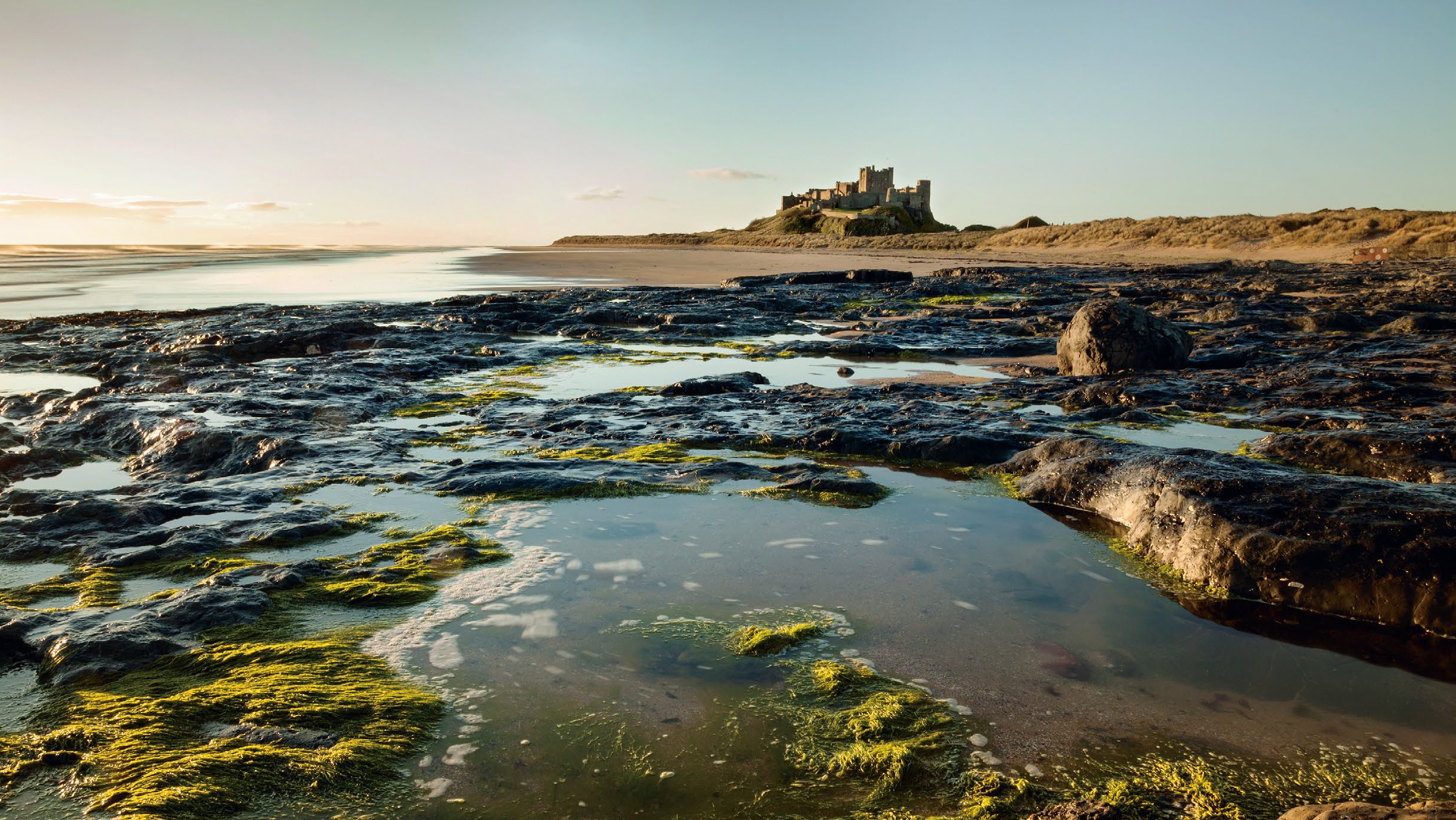
Blur isn’t just decoration—it’s storytelling. It tells the viewer where to look, like a spotlight on a stage.
Why Depth of Field Can Feel Confusing at First
Depth of field feels tricky because multiple variables affect it at once. Aperture, distance, focal length—they all interact. Think of it like cooking: one ingredient won’t ruin a dish, but balance matters.
The Role of Aperture in Background Blur
Aperture is the first tool I reach for when I want background blur.
Wide Apertures Explained Simply
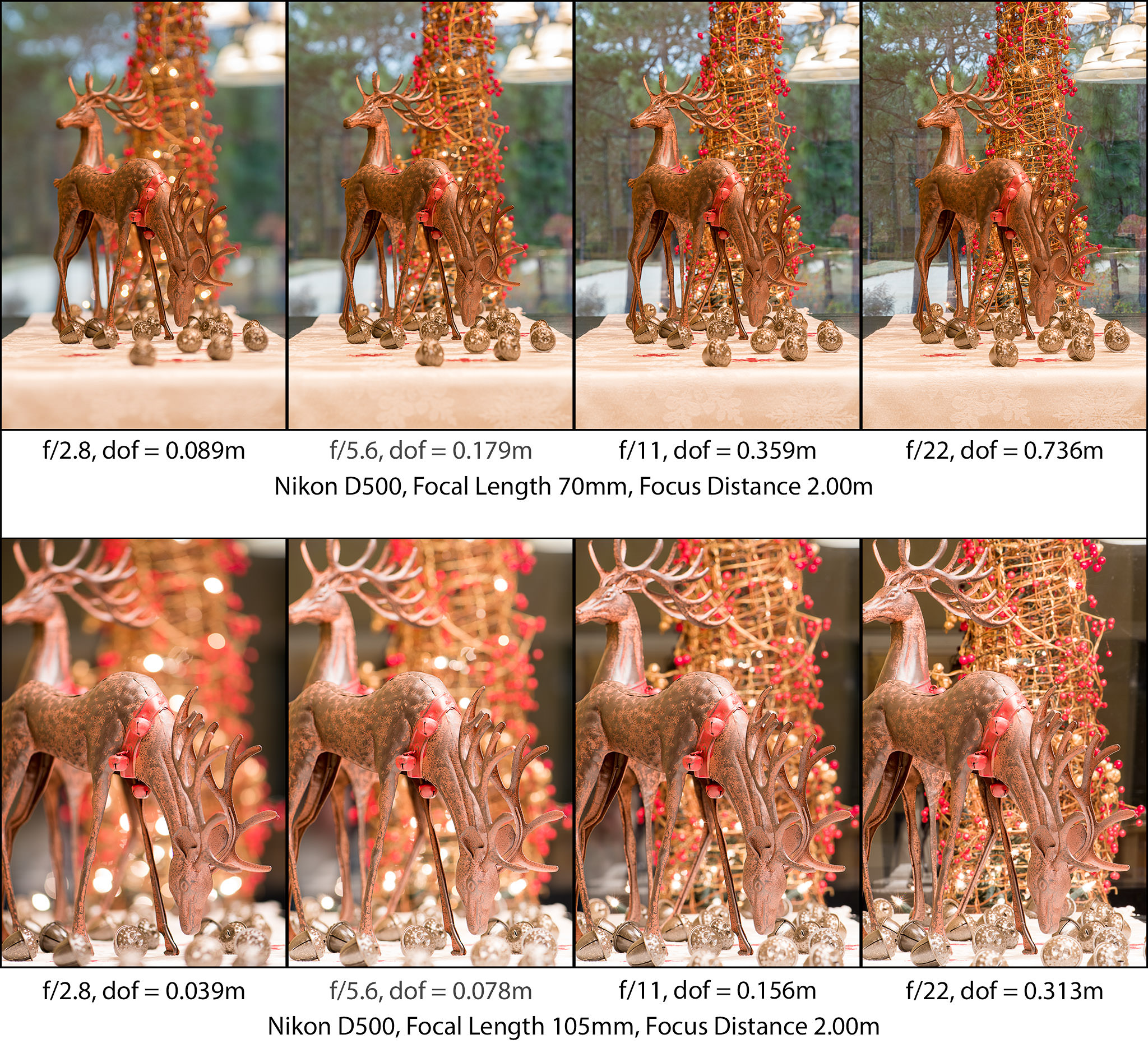
A wide aperture (like f/1.8 or f/2.8) lets in more light and creates more blur. A narrow aperture (like f/11) keeps more of the scene sharp.

How f-Numbers Actually Work
Here’s the weird part: smaller numbers mean wider openings.
Think of it as fractions—f/2 is bigger than f/16.
How Distance Changes Depth of Field
Distance is the secret weapon most beginners overlook.
Camera-to-Subject Distance
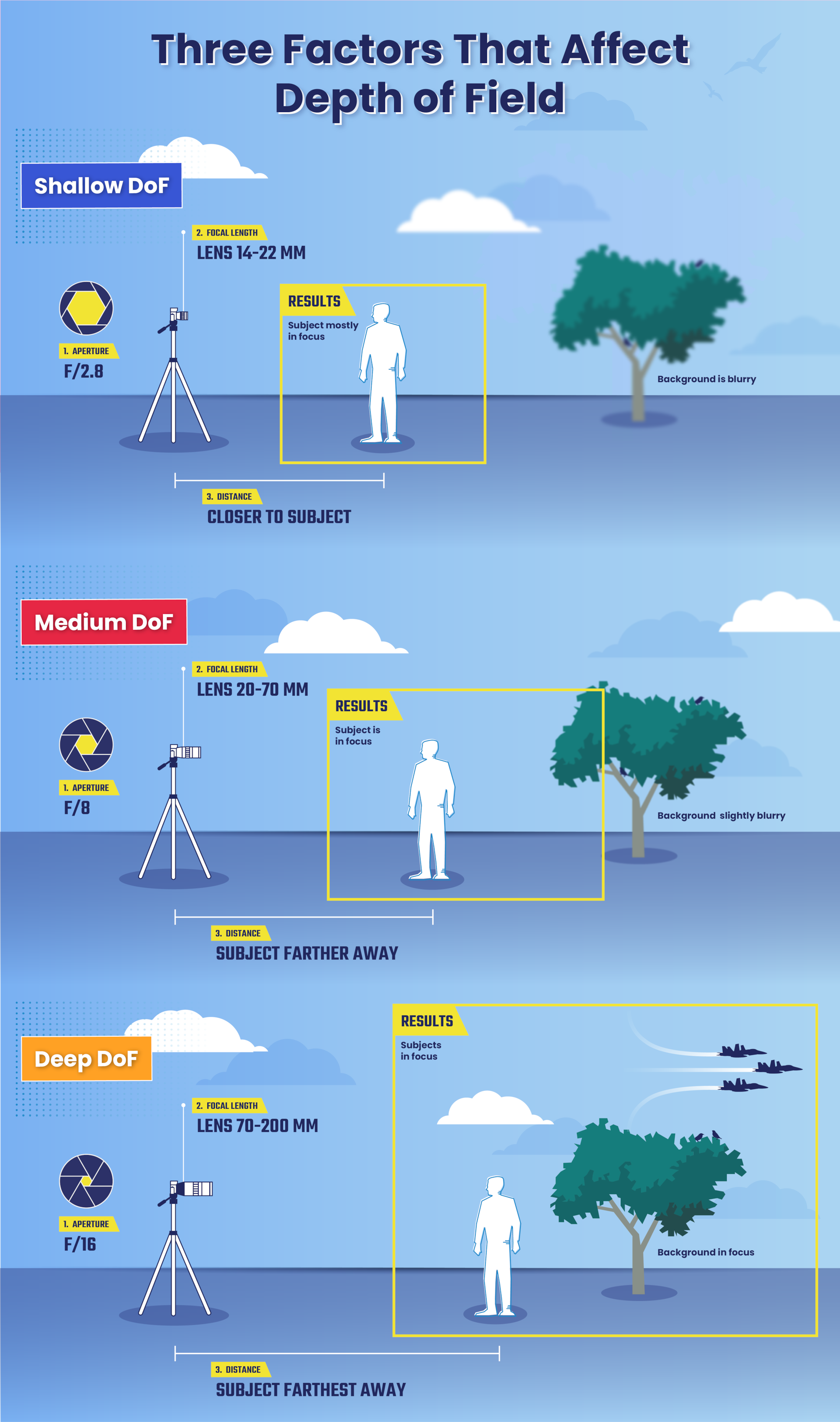
The closer you are to your subject, the blurrier the background becomes. Step closer, and depth of field shrinks fast.
Subject-to-Background Distance
The farther your subject is from the background, the smoother that background blur looks.

Combining Aperture and Distance for Beautiful Blur
This is where magic happens.
The “Separation” Principle
I always aim to separate my subject from the background using both aperture and distance. It’s like pulling someone forward from a busy crowd.
Focal Length and Its Effect on Background Blur
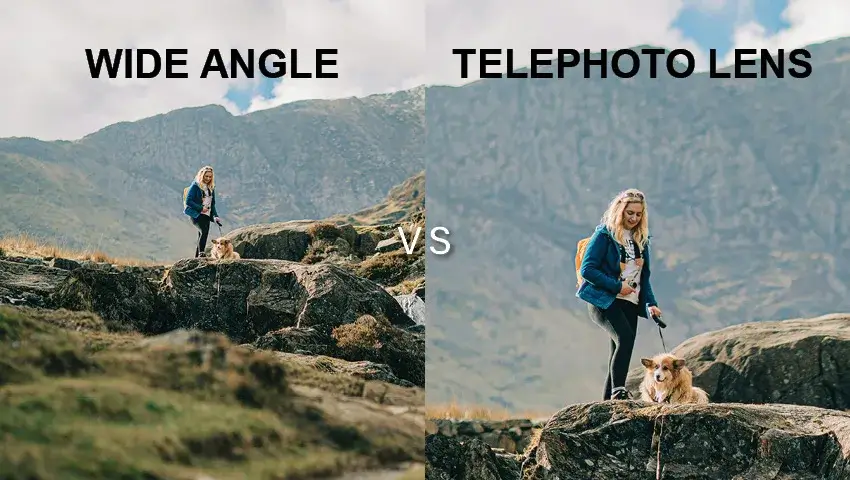
Longer lenses compress space and amplify blur.
Why Telephoto Lenses Blur More
A 85mm lens creates smoother blur than a 35mm lens at the same aperture because it magnifies the background.

Sensor Size and Depth of Field (Brief but Important)
Larger sensors (full-frame) produce shallower depth of field than smaller sensors at the same settings. It’s not better—just different.
>>> See full range of telephoto lenses CLICK HERE <<<
Practical Scenarios: How I Control Blur in Real Life
Portrait Photography
I shoot wide (f/1.8–f/2.8), step closer, and place my subject far from the background.


Nature and Flower Photography
I get low, move close, and let distance do the heavy lifting.
Street and Everyday Photography
I balance blur with context—f/2.8 is often the sweet spot.
Common Depth of Field Mistakes (And How to Fix Them)
-
Shooting wide but standing too far away
-
Background too close to subject
-
Missing focus on the eyes
Depth of field forgives nothing—but it rewards intention.
Step-by-Step: How I Set Up a Shot With Creamy Background Blur
-
Choose aperture priority mode
-
Set aperture to f/2–f/2.8
-
Move closer to subject
-
Increase background distance
-
Focus carefully


Creative Uses of Deep Depth of Field
Not everything needs blur. Landscapes, architecture, and storytelling shots often benefit from everything being sharp.
Practice Exercises to Master Depth of Field
Remember: skill comes from repetition.
-
Photograph the same subject at different apertures
-
Move closer without changing settings
-
Compare background distances

Final Thoughts: Learning to See Depth
Once you understand depth of field, you stop guessing—and start seeing. You’ll know instinctively when to blur and when to sharpen.
Conclusion
Learning depth of field changed how I photograph the world. When you learn to use aperture and distance to control background blur beautifully, you’re no longer reacting—you’re creating. Master these fundamentals, and your images will instantly feel more intentional, more emotional, and more professional.
>>> See full range of telephoto lenses CLICK HERE <<<
FAQs
1. What aperture gives the best background blur?
Typically f/1.8–f/2.8, combined with close subject distance.
2. Can I get background blur with a kit lens?
Yes—use the longest focal length and get closer to your subject.
3. Why is my background still sharp at f/2.8?
Your subject is likely too close to the background.
4. Does background blur make photos better?
Only when it supports the story—blur is a tool, not a rule.
5. Is depth of field more important than composition?
They work together. Blur enhances composition, not replaces it.
Further photo tips here: