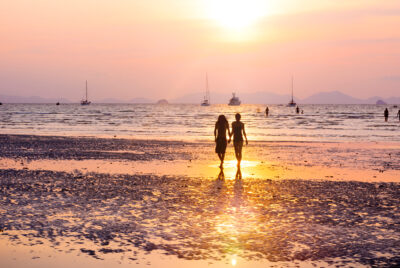
Shooting the Golden Hour vs Blue Hour: What’s the Difference?
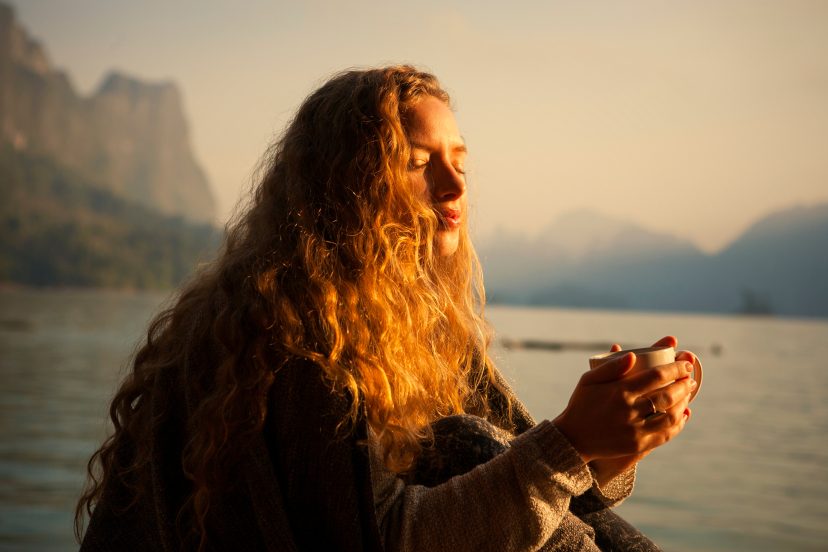
If you’ve ever stepped outside at sunrise or right after sunset and felt like the world suddenly turned cinematic, you’ve already experienced the magic of the golden hour and blue hour. Today, I want to help you discover how golden and blue hour lighting affects your photography mood and show you how to use each to its fullest potential.
Understanding Natural Light for Photography
Natural light is more than brightness—it’s emotion.
Different times of day bring different tones, shadows, and atmospheres, and the better you understand them, the easier it becomes to shape the story you want your images to tell.
Why Time of Day Shapes Mood
Just like a movie relies on lighting to steer emotions, your photos rely on tone and contrast.
Choosing the right hour can make a portrait feel warm and nostalgic—or mysterious and dramatic.
What Is the Golden Hour?
Golden hour is that dreamy slice of time right after sunrise and just before sunset when the sun sits low on the horizon, casting warm, directional light.
When Golden Hour Happens
Golden hour doesn’t last long—usually 45–75 minutes depending on season and location—so planning ahead is key.
Characteristics of Golden Hour Light
-
Warm, golden tones
-
Soft, flattering shadows
-
Long directional light that adds depth
-
Gentle contrast
Ideal Subjects for Golden Hour
You’ll often see golden hour used in:
-
Portraits
-
Engagement shoots
-
Travel landscapes
-
Wildlife
-
Backlit silhouettes
Why? Because everything looks softer, more romantic, and more alive.
What Is the Blue Hour?
Blue hour happens just before sunrise and just after sunset when the sun dips below the horizon, filling the sky with deep blue tones.
When Blue Hour Happens
Like golden hour, blue hour lasts 20–40 minutes on average—shorter, more fleeting, but equally mesmerizing.
Characteristics of Blue Hour Light
-
Cooler blue and purple tones
-
Soft, even lighting
-
Gentle shadows
-
Naturally moody contrast
Ideal Subjects for Blue Hour
Blue hour is fantastic for:
-
Cityscapes
-
Architecture
-
Street photography
-
Water reflections
-
Night portraits with ambient light
The cool tones make scenes feel calm, cinematic, and atmospheric.
>>> Accessories for photography selection CLICK HERE <<<
Golden Hour vs Blue Hour: Key Differences
Color Temperature
Golden Hour = warm (4500–6500K)
Blue Hour = cool (9000–12000K)
Warmth vs coolness dramatically shifts emotional tone.
Mood and Atmosphere
Golden hour feels: romantic, joyful, nostalgic
Blue hour feels: calm, mysterious, dreamy
Shadows and Highlights
Golden hour shadows are soft but still directional.
Blue hour shadows are subtle but may hide detail in dark subjects.
Dynamic Range
Golden hour often requires careful exposure management due to direct sunlight.
Blue hour requires longer exposures—perfect for smooth water or light trails.
How Golden Hour Affects Your Photography Mood
Warm light creates an emotional warmth.
Your images feel soft, hopeful, and alive.
Shooting golden hour is like adding a subtle glow of optimism to every frame.
How Blue Hour Affects Your Photography Mood
Blue tones create quiet, peaceful visuals.
Your images feel cinematic, introspective, and atmospheric.
Blue hour can turn even ordinary urban scenes into something out of a movie still.
Camera Settings for Golden Hour
Recommended Exposure Settings
Try starting with:
-
Aperture: f/2.8–f/4 for portraits, f/8–f/11 for landscapes
-
ISO: 100–400
-
Shutter: Adjust to balance highlights
Tip: Use exposure compensation (-0.3 to -1.0 EV) to avoid clipping highlights.
Lens Choices
-
85mm or 50mm for portraits
-
24–70mm for versatility
-
Wide-angle for sweeping landscapes
A lens with good flare resistance helps when shooting toward the sun.
>>> Accessories for photography selection CLICK HERE <<<
Camera Settings for Blue Hour
Exposure Tips for Low Light
Start with:
-
Aperture: f/2.8–f/5.6
-
ISO: 400–1600
-
Shutter: 1/10 sec to several seconds (use tripod)
Blue hour rewards longer exposures with silky water and glowing city lights.
Stabilization and Equipment
-
A tripod is essential
-
Use a remote shutter or 2-second timer
-
Turn on image stabilization only when handholding
Tips for Choosing the Right Hour for Your Story
Matching Light to Emotion
Ask yourself:
What do I want the viewer to feel?
-
Golden hour → warmth, joy, romance
-
Blue hour → calm, drama, mystery
Match the hour to your story, and your images instantly become more intentional.
Planning and Timing
Use apps like:
-
PhotoPills
-
The Photographer’s Ephemeris
-
Sun Surveyor
These tools help you track light direction, sunrise—and more importantly—mood.
Conclusion
Golden hour and blue hour are two of nature’s greatest gifts to photographers. Each brings its own mood, emotion, and storytelling power. If you learn how to leverage the warmth of golden hour or the cool mystery of blue hour, you can dramatically change the emotional tone of your work.
By understanding both, you’ll be able to discover how golden and blue hour lighting affects your photography mood and choose the perfect moment for every story you want to tell.
>>> Accessories for photography selection CLICK HERE <<<
FAQs
1. Is golden hour or blue hour better for portraits?
Golden hour is generally better because the warm, soft light flatters skin tones.
2. Do I need a tripod for blue hour photography?
Yes—blue hour often requires slow shutter speeds that you can’t handhold.
3. Can I shoot landscapes during blue hour?
Absolutely. Blue hour gives landscapes a calm, almost ethereal look.
4. How do I expose correctly during golden hour?
Use exposure compensation to avoid blown highlights and shoot RAW for flexibility.
5. Can I shoot handheld during golden hour?
Yes—there’s usually enough light for fast shutter speeds.
Further photo tips here: