How to Tell a Story Through Your Photos

Make your photos speak! Learn storytelling techniques to give images emotion. When I grab my camera now, I’m not just thinking “nice light” or “cool subject” — I’m asking a deeper question: What story is this photo going to tell? Because the moment you shift from simply capturing what you see, to telling what you feel or what happened, your images start to speak. In this post I’ll walk through how to make your photos speak! Learn storytelling techniques to give images emotion, and I’ll share my favourite tips and tricks as both an enthusiast and educator.
The Power of Visual Storytelling
Photos that tell stories stick in our memory. We don’t just see a face or a building — we feel a moment, anticipate a reaction, imagine the before or after.
Stories in images connect with viewers emotionally, and that makes them powerful.
What Makes a Photo Speak?
To tell a story, a photo needs:
-
A subject who matters or appears to matter.
-
Context or environment that gives meaning.
-
Emotion, movement or suggestion of change.
Think of your camera as a storyteller’s pen — you’re not writing words, but you’re setting the scene.
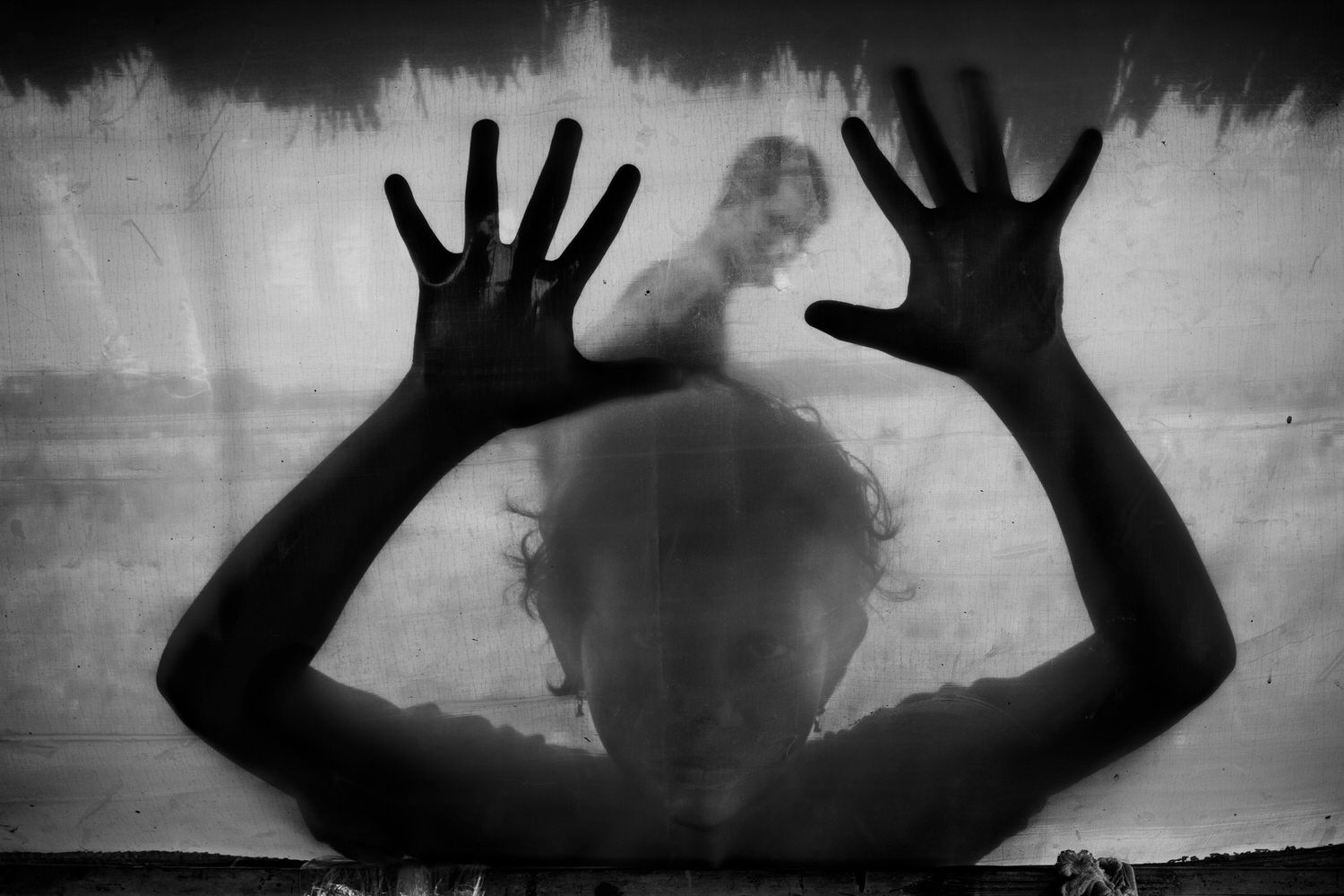


Start with a Story in Mind
Don’t just wander and hope for magic. Start with a story or idea and use your camera to bring it to life.
Find the Moment or Concept
Maybe you want to frame “morning ritual at the café”, “the quiet after the storm”, or “a dance of light on old brick”. Once you pick a concept, your lens becomes a tool to realise it—not just record.
Consider Your Audience
Who will see this photo? What might they feel? What question might they ask? Thinking about the viewer puts you in storyteller mode.
Composition Techniques That Support Story
Composition isn’t just pretty pictures — it’s how you guide the viewer through the story you’re telling.
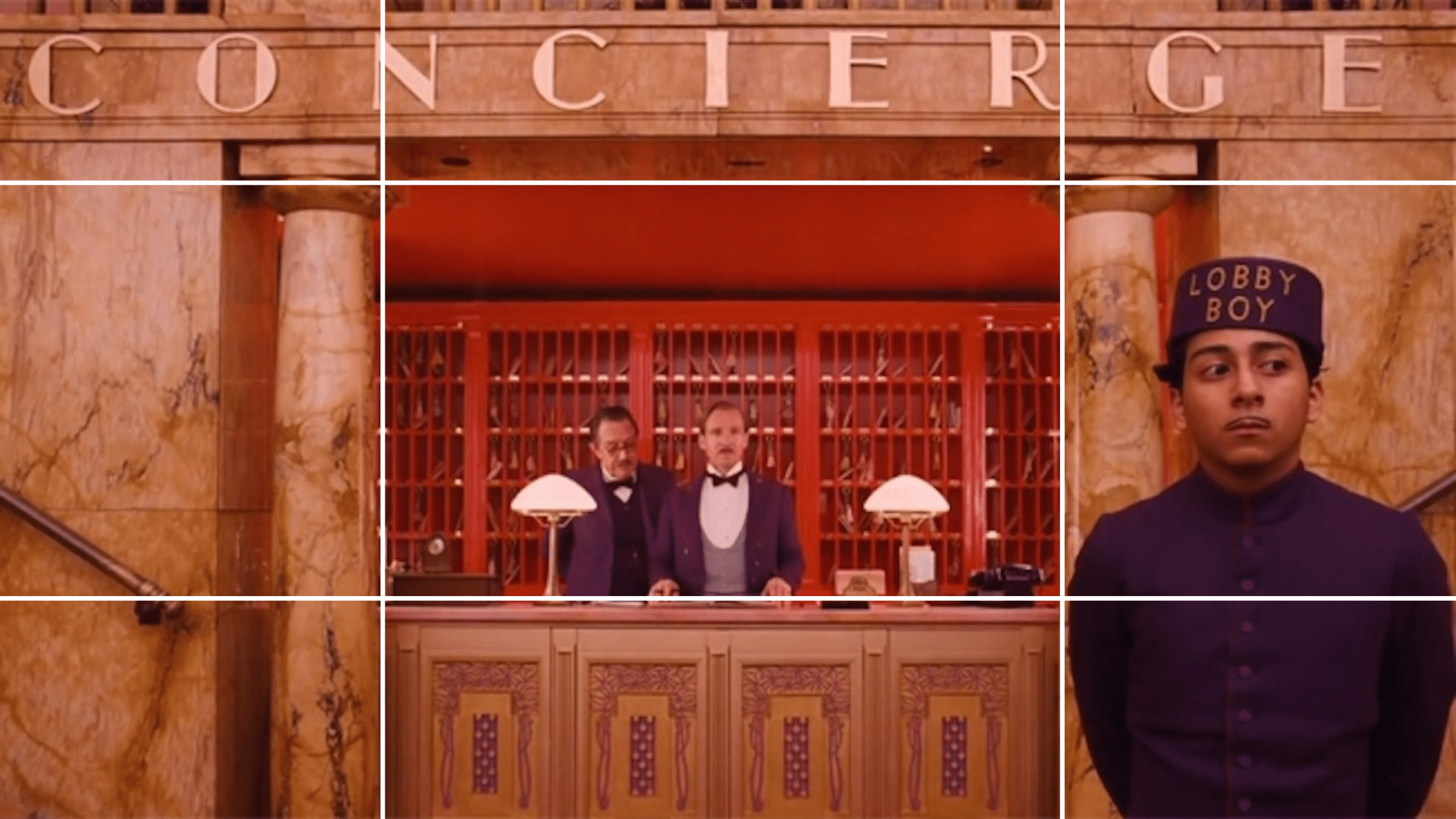
Leading Lines & Framing
Use roads, rails, trees to lead the eye. Frame your subject with windows or doorways. These elements pull the viewer into the story.
Foreground, Midground & Background
Layer your scene. A subject in the foreground, context in the midground, supporting story in the background. Adds depth and richness.

Emotions, Gestures & Human Elements
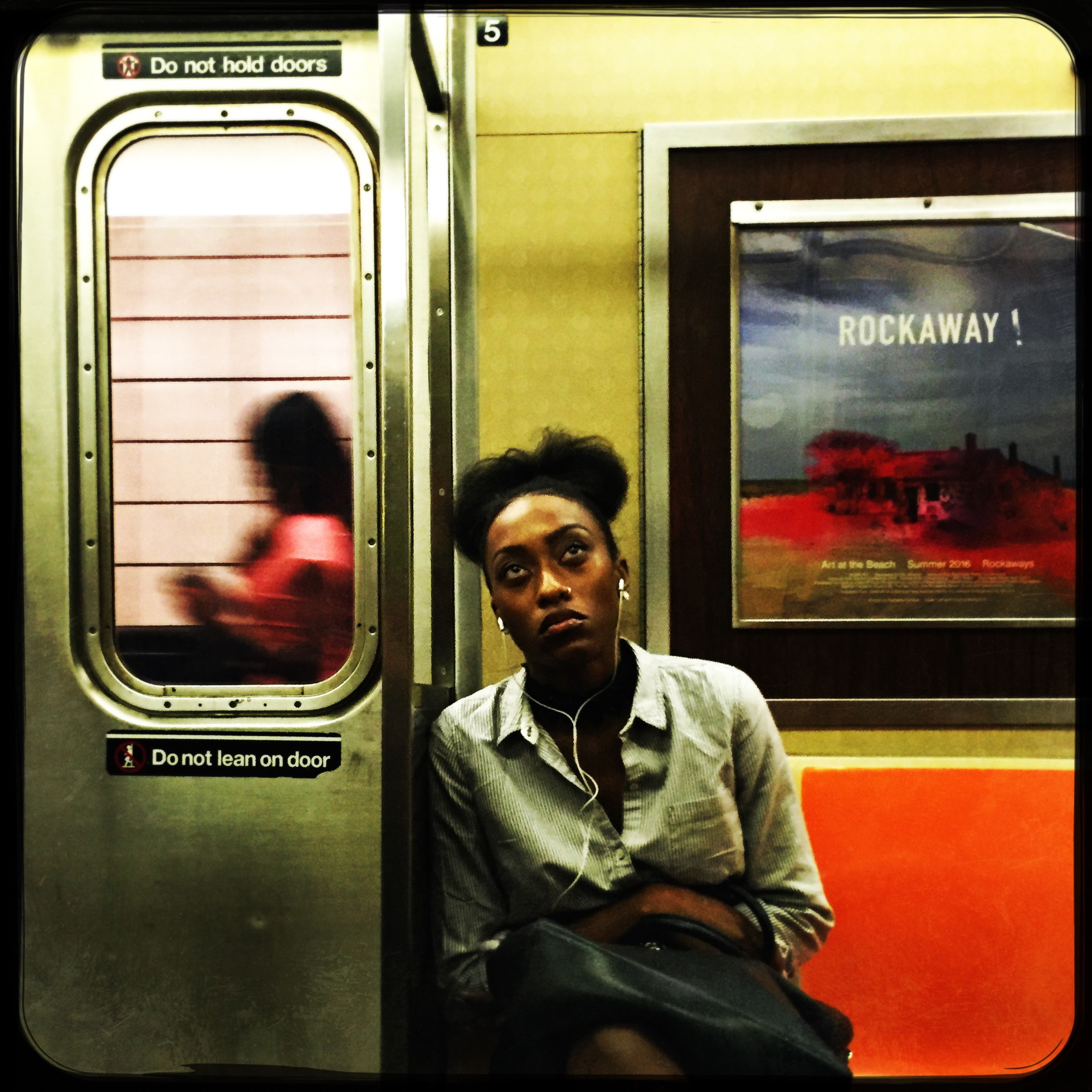
A human face, a gesture, a posture — these are the things that instantly say “story”.
Capturing Expressions & Body Language
Look for the telling glance, the hand reaching out, the posture of waiting. These subtle cues give life to your image.
Setting the Scene
Environment matters! A person in a vast empty space says something different to someone in a cluttered room. Choose surroundings that support your story.


Light & Colour That Enhance Narrative
Light and colour are silent voices in your storytelling toolkit. Use them to shape mood.
Using Directional Light & Shadows
Side light, back light, silhouettes — these create drama and mystery. Shadows hint at hidden stories.
Colour Mood – Warm vs Cool
Warm tones feel cozy, nostalgic; cool tones feel detached, melancholic. Your colour choice should match your story.
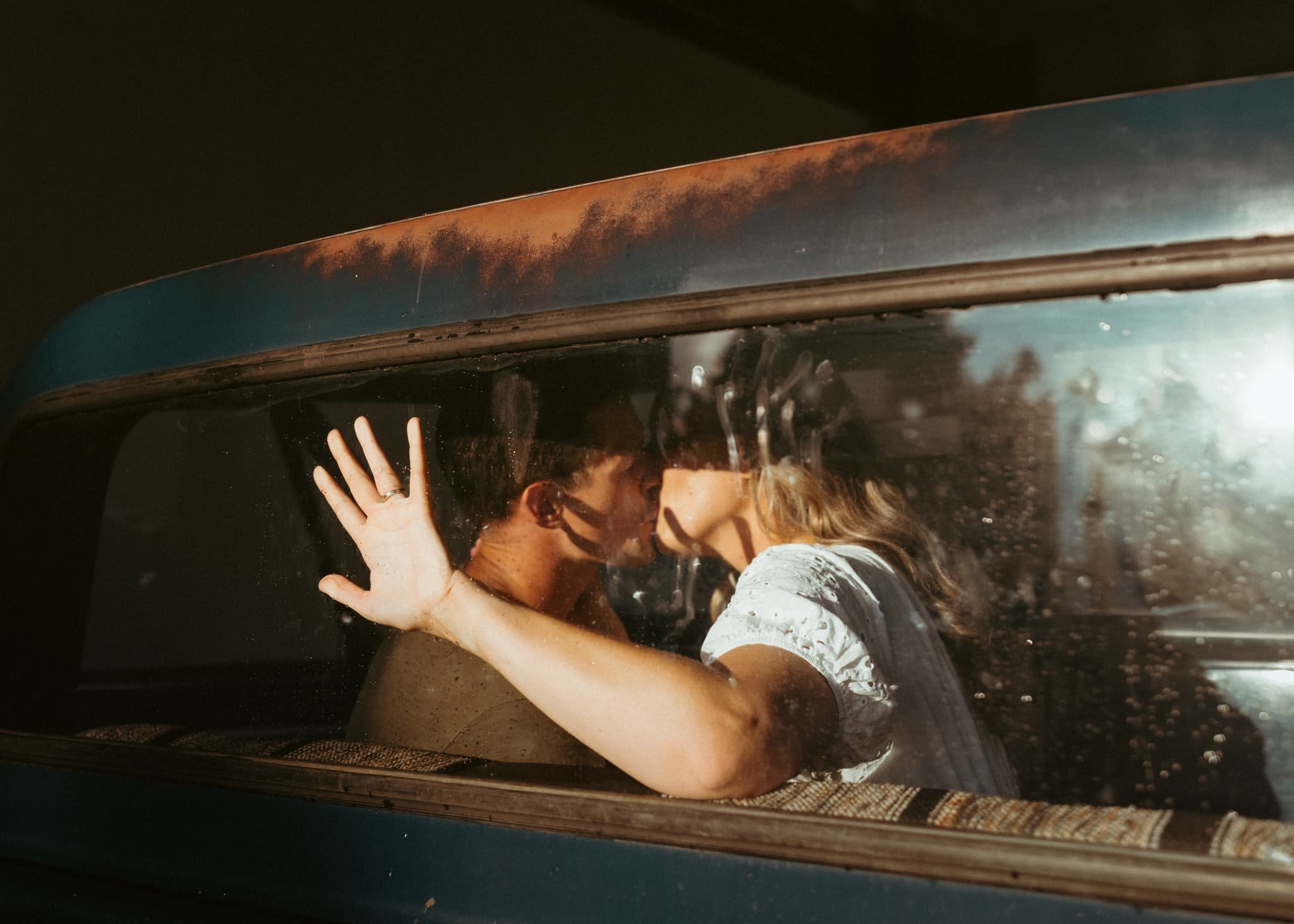


Sequence & Context — Telling More Than One Shot
Sometimes one shot isn’t enough. A story unfolds.
Before-During-After Sequence
If you can, shoot a series: the scene before the action, the action itself, the reaction. That gives richness.
Series for Stronger Narratives
A set of images with consistent subject or theme can tell a bigger story: travel, change, growth, decline. Think of yourself as a mini-documentarian.
>>> TODAY’s camera deals click HERE <<<
Post-Processing for Storytelling
Editing isn’t just polish — it’s part of the story. But subtlety matters.
Cropping & Aspect Ratio
Sometimes a little crop tightens the story. A 4:5 crop emphasises a person; 16:9 emphasises landscape and context.
Colour Grading & Contrast for Mood
Adjusting contrast, saturation, temperature—these should support what you felt when you took the photo, not override it.


My Personal Checklist for Story-Driven Photos
Here’s the list I carry mentally — copy it, print it, personalise it.
Pre-Shoot Checklist
-
Define my story or concept
-
Choose location with story potential
-
Check light conditions and timing
-
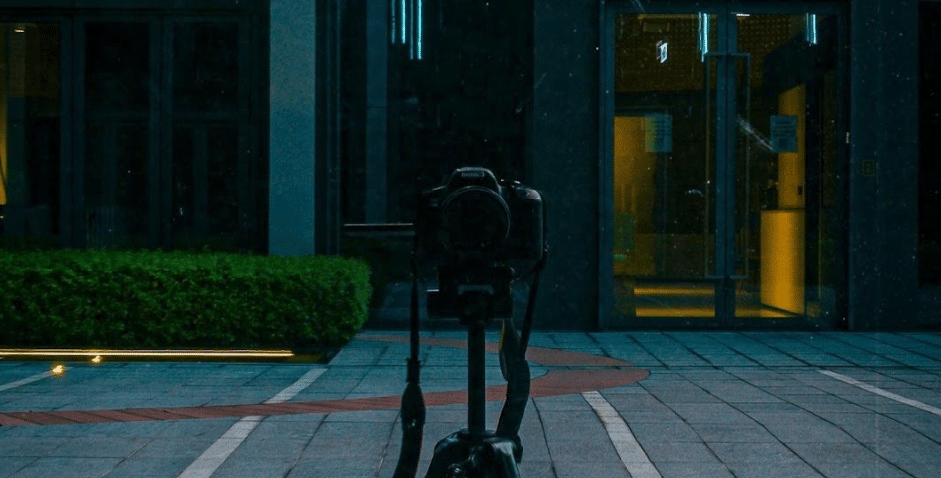
Bring gear suited for my subject (lens, tripod, etc)
On-Site Shoot Checklist
-
Look for subject + context + emotion
-
Use composition to guide the viewer
-
Watch for gestures, expressions, action
-
Use light and colour to enhance narrative
-
Shoot a sequence if possible (setup, action, result)
Conclusion
Telling a story with your photos is about more than hitting “click” — it’s about choosing what to show, why you’re showing it, and how you want the viewer to feel. When you pause and ask yourself “What story am I sharing?”, your images become more than pictures: they become conversations. Use composition, emotion, light, colour and sequence intentionally—and you’ll start to make your photos speak. Give it a try, keep practising, and enjoy seeing your work transform. You can now make your photos speak! Learn storytelling techniques to give images emotion.
>>> TODAY’s camera deals click HERE <<<
FAQs
Q1: What if I’m shooting alone and there’s no human subject to tell a story?
A1: A story doesn’t always need people. Objects, landscapes, and textures can carry meaning: an abandoned toy, a single boot in the sand, an empty chair by a window. Imagine what happened before or after.
Q2: How many photos should a sequence have to tell a story?
A2: There’s no strict number. A simple three-shot sequence (before-during-after) often works beautifully. For more complex stories you might shoot five or more. The key: each image contributes.
Q3: Can I tell a story in one photo only?
A3: Absolutely. A single frame can be very powerful if composed with clarity: subject, context and emotion all visible. One strong image can evoke an entire narrative.
Q4: Does editing make or break the story?
A4: Editing supports the story—it doesn’t substitute for it. If your image doesn’t carry the story when straight out of camera, heavy editing won’t magically fix it. But gentle colour, contrast and crop tweaks can strengthen the narrative.
Q5: How do I practice storytelling in my everyday photography?
A5: Challenge yourself: pick a theme for the day (e.g., “waiting”, “transition”, “reflection”), and shoot 10-15 images around that theme. Review what story each image tells. This builds your storytelling muscle.
Further photo tips here: