How to Nail Sharp Focus Every Time: Autofocus vs Manual Focus Tips
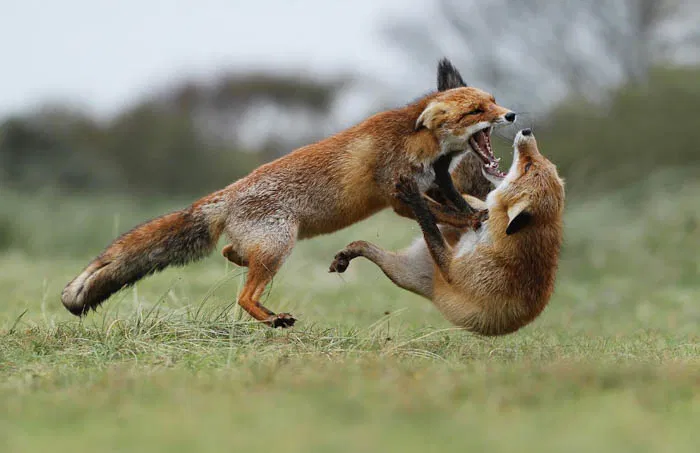
There’s nothing more frustrating than capturing what felt like a perfect moment—only to discover the focus is slightly off. I’ve lost count of how many times that happened early in my photography journey. The good news is this: sharp focus is a skill, not luck. Once you learn how to get tack-sharp photos using the right focus modes and settings, missed focus becomes the exception, not the rule.
In this guide, I’ll break down autofocus vs manual focus in simple terms and show you exactly when—and why—to use each one.
Why Sharp Focus Matters More Than Any Other Setting
You can recover shadows. You can tweak colors. But soft focus? That’s hard to forgive.
Sharp focus tells the viewer where to look. It’s the anchor point of your image and the foundation of professional-looking photos.
Understanding What “Sharp Focus” Really Means
Sharp focus doesn’t mean everything in the frame is razor sharp. It means the right subject is sharp.
In portraits, it’s the eyes.
“1802” />>In landscapes, it’s the chosen focal plane.
Sharpness is intentional, not accidental.
How Autofocus Works (In Simple Terms)
Autofocus systems analyze contrast or phase differences to determine what’s sharp. Modern cameras are incredibly capable—but they still need guidance.
Phase Detection vs Contrast Detection
Phase detection is fast and excellent for movement. Contrast detection is slower but extremely precise. Most modern cameras combine both for reliable results.
When Autofocus Is Your Best Choice
Autofocus is your everyday solution in most situations.
Autofocus for Portraits
Use a single focus point and aim directly at the nearest eye. Eye-detection AF is powerful, but I always double-check results—especially at wide apertures.
Autofocus for Action and Wildlife
Continuous autofocus paired with burst shooting dramatically increases your keeper rate when subjects are moving.
Autofocus Modes Explained
Understanding AF modes is one of the fastest ways to improve sharpness.
Single Autofocus (AF-S / One-Shot)
Best for stationary subjects. The camera locks focus once and won’t adjust unless you refocus.
Continuous Autofocus (AF-C / AI Servo)
Designed for movement. The camera constantly adjusts focus as the subject moves.
Auto AF Modes
These let the camera decide—and that’s the problem. I avoid them when precision matters.
Focus Area and Focus Point Selection
Letting the camera choose focus points often leads to sharp backgrounds and soft subjects.
I strongly recommend selecting your focus point manually. Think of it as pointing a flashlight—you decide where attention goes.
When Manual Focus Beats Autofocus
Autofocus is powerful, but it’s not unbeatable.
Manual Focus for Low Light
In dark environments, autofocus tends to hunt. Manual focus lets you lock in precisely without frustration.
Manual Focus for Macro Photography
Macro work demands extreme precision. Manual focus gives control down to millimeters.
>>> Buy best DSLR camera kits CLICK HERE <<<
How to Use Manual Focus Accurately
Manual focus works best when you use the right tools.
Focus Peaking
Focus peaking highlights sharp edges in real time. It’s one of the easiest ways to ensure accuracy.
Live View Magnification
Zoom in on your subject using live view and fine-tune focus manually. Slow—but incredibly precise.
Common Focus Mistakes and How to Fix Them
Avoid these focus killers:
-
Focusing and recomposing excessively
-
Shooting wide open without precision
-
Trusting autofocus blindly
-
Using shutter speeds that are too slow
Awareness solves most focus problems.
Camera Settings That Improve Sharpness
Sharp focus needs support from the right settings.
Use faster shutter speeds, stabilize your camera, and don’t shoot wide open unless necessary. Depth of field gives you breathing room.
Practicing Focus Techniques to Improve Fast
Practice intentionally. Switch between autofocus modes. Compare manual focus results. Review images critically.
The more you practice, the faster you’ll get tack-sharp photos using the right focus modes and settings.
Conclusion
Sharp focus isn’t magic—it’s mastery. Once you understand when to use autofocus, when to switch to manual, and how to control focus points, your images instantly improve. Master focus, and every other photography skill becomes easier to learn.
>>> Buy best DSLR camera kits CLICK HERE <<<
FAQs
Is autofocus always better than manual focus?
No. Autofocus is faster, but manual focus is more precise in certain situations.
Which autofocus mode is best for beginners?
Single autofocus (AF-S / One-Shot) is the easiest to control.
Why are some of my photos sharp and others soft?
Inconsistent focus point selection or shutter speed is usually the cause.
Does lens quality affect sharp focus?
Yes, but technique matters more than expensive gear.
How long does it take to master focus?
With intentional practice, noticeable improvement happens quickly.
Further photo tips here:
Understanding Metering Modes in Photography (and When to Use Each One)