How to Find Your Unique Photography Style (Even as a Beginner)
Discover your personal photography style and stand out from the crowd.
For years, I felt like my photos looked “fine” but lacked that special something. I admired photographers who had instantly recognizable styles—warm tones, dramatic compositions, cinematic edits—and wondered how they developed them. The truth is, your photography style isn’t something you magically wake up with. It’s something you build, consciously and intentionally, through experimentation and curiosity.
This guide walks you through exactly how to find that style—even if you’re a complete beginner.
What Is a Photography Style?
Your photography style is the visual identity of your work. It’s the overall look, feel, and mood your photos consistently communicate.
Style vs. Technique: What’s the Difference?
-
Technique is how you shoot—your settings, gear, and methods.
-
Style is how your photography feels—the emotional fingerprint only you can create.
Your style grows from your decisions: what you choose to photograph, how you compose the frame, and how you edit the final image.
Why Developing Your Style Matters
Finding your style is one of the most rewarding parts of photography.
Personal Branding Through Imagery
Your style becomes part of your artistic identity—especially if you share work online.
Making Your Work Instantly Recognizable
Think of your favorite photographers. You can spot their work without even reading the caption. That’s the power of a cohesive visual style.
Key Elements That Shape Your Photography Style
If style feels elusive, breaking it down makes it much easier to understand.
Subject Matter
What you love to photograph forms the backbone of your style.
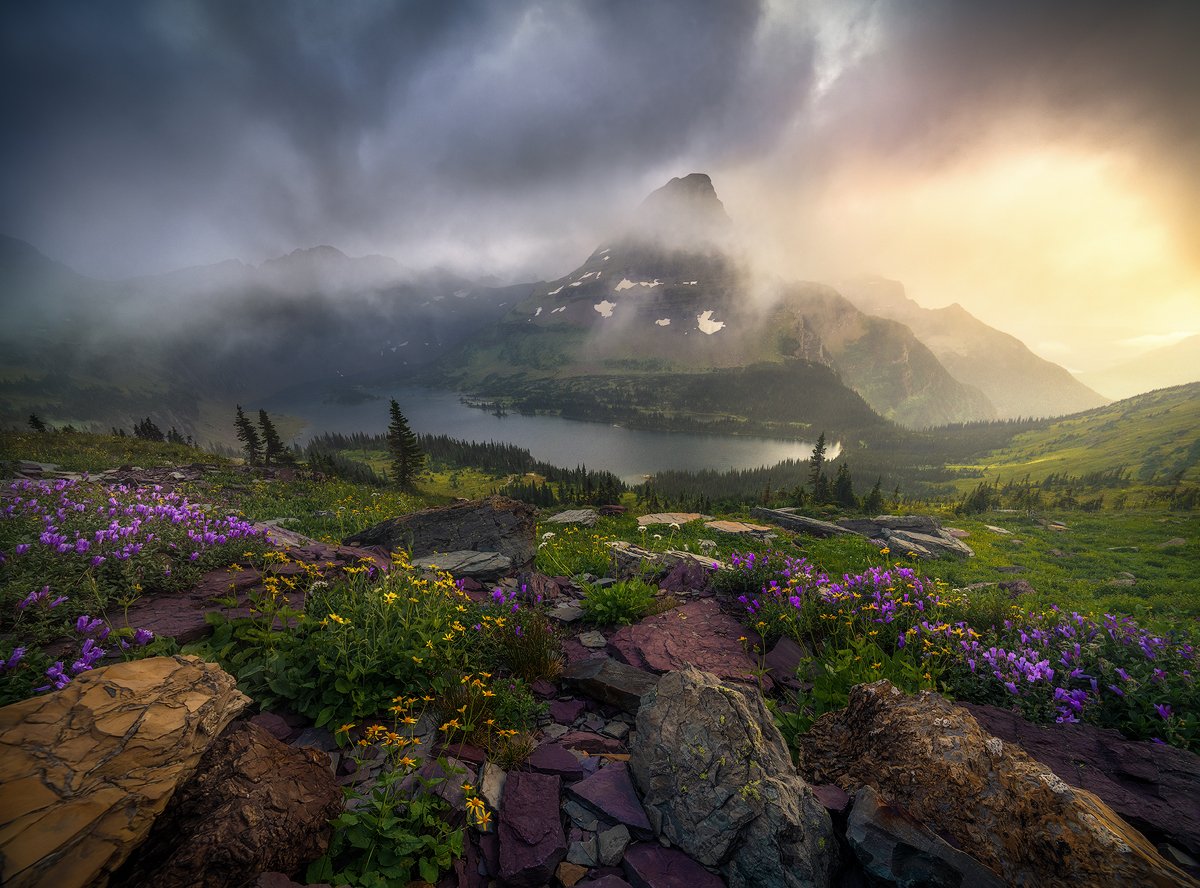
People, Places, Nature, Objects
Some photographers gravitate toward:
-
Portraits
-
Landscapes
-
Travel moments
-
Street photography
-
Still life
Your repeated subjects help define your signature approach.

Composition Choices
Your visual structure heavily influences your style.
Minimalism, Symmetry, Layers
Ask yourself:
-
Do I prefer minimal, clean compositions?
-
Do I enjoy symmetry and straight lines?
-
Do I layer elements to create depth?
Recognizing these patterns reveals your preferences.
Color Palette & Mood
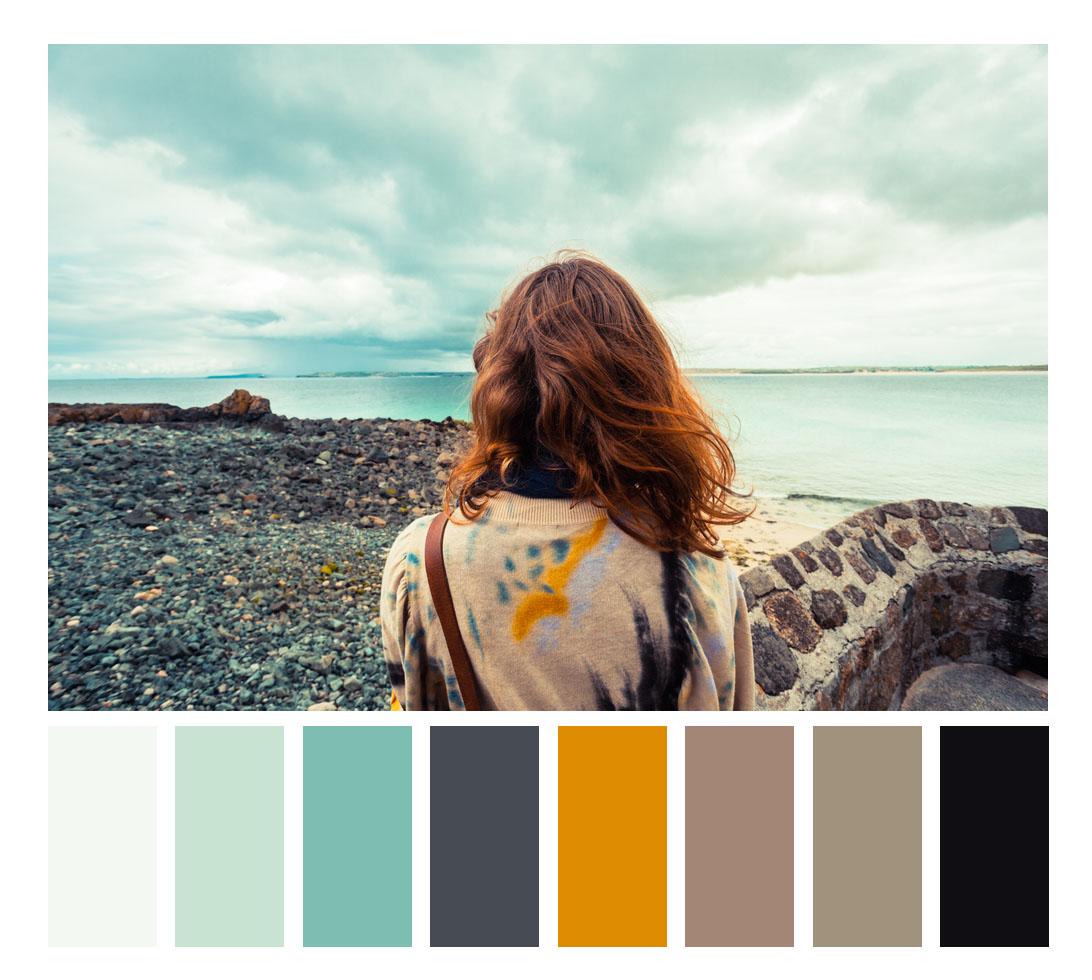
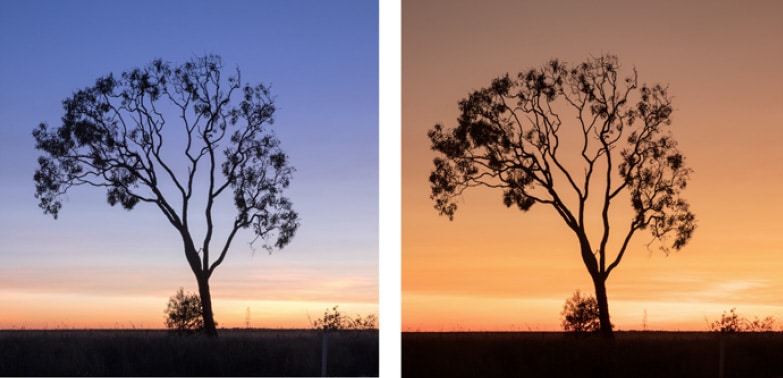
Color is emotional—and your go-to tones often become part of your style.
Warm, Cool, Moody, Cinematic
Some photographers prefer:
-
Warm golden tones
-
Cool blues and greens
-
Moody, desaturated colors
-
Vibrant cinematic palettes
Your editing choices build your visual voice.
Lighting Preferences
Do you prefer soft golden light? Harsh shadows? Neon at night?
Your relationship with light says a lot about your style.
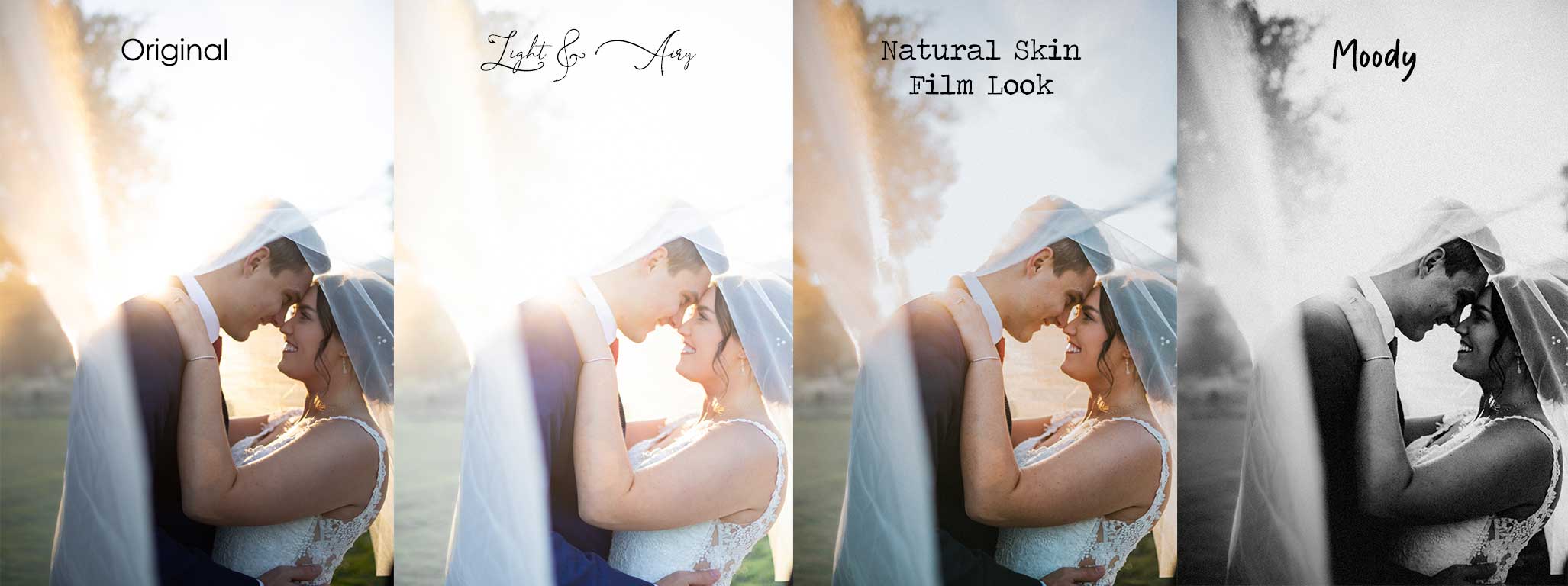
Editing & Post-Processing Style
This is where your personality shines.
You might lean toward:
-
Bright and airy
-
Dark and moody
-
True-to-life
-
Heavily stylized
Editing is often the final polish that sets your style apart.
How to Discover Your Unique Style
Now the fun part—exploration.
Study What Inspires You
Save images that move you. Notice patterns: colors, subjects, moods, angles.
Create Mood Boards
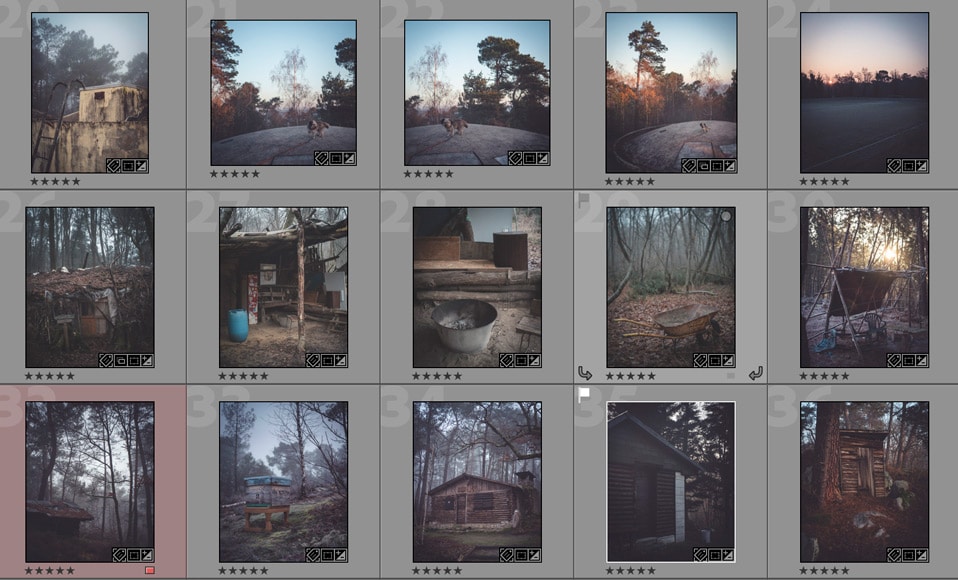
Use Pinterest, Lightroom albums, or phone folders to group inspiring visuals.
Experiment Broadly at First
Try shooting different genres: street, portrait, landscape, macro.
You won’t know what you love until you try it.


Narrow Down What You Love Most
Once you’ve experimented, ask yourself:
-
Which images feel most “me”?
-
Which photos was I most excited to shoot?
-
Which edits felt natural?
Your answers point to your emerging style.
Practical Exercises for Finding Your Style
These exercises helped me the most when shaping my own voice.
The One-Subject, 10-Ways Challenge
Pick one subject (a cup, a tree, a person) and photograph it 10 different ways.
This forces creativity and reveals your compositional tendencies.
Pick a Theme and Shoot for 7 Days
Ideas: color themes, reflections, shadows, food, people’s hands, doors—it doesn’t matter what.
The point is to explore consistency.
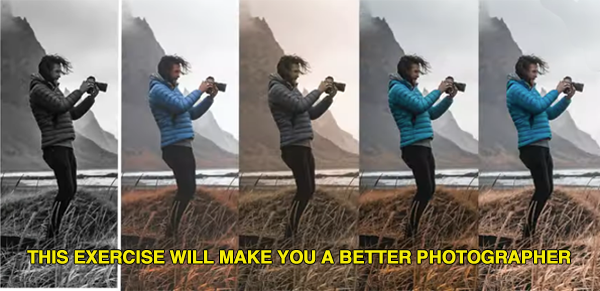
Edit the Same Image in 3 Different Styles
Try:
-
Dark & moody
-
Bright & airy
-
Warm cinematic
Then choose the one that feels most like “your voice.”

How to Stay Consistent Without Feeling Trapped
Your style should evolve—not cage you.
Building a Style That Evolves with You
Your taste will change. Your technique will improve.
>Your style should grow with you, not restrain you.
Creating Cohesion in Your Portfolio
Consistency comes from repeating elements you love, such as:
-
Certain tones
-
Similar lighting
-
Comparable subjects
-
Similar compositions
This gives your portfolio a curated feel.
Mistakes to Avoid When Trying to Develop a Style
Let’s make sure you stay on a healthy creative path.
Copying Instead of Learning
Be inspired by others—don’t mimic them.
Your style should feel authentic, not borrowed.
Trying Too Hard to Be “Different”
Uniqueness comes naturally when you follow what you love, not trends.
Ignoring the Fundamentals
Before style comes skill.
Strong composition, exposure, and lighting make your style shine.
Conclusion
Finding your style isn’t about chasing trends—it’s about listening to your instincts. When you follow the subjects, colors, compositions, and moods that genuinely excite you, you naturally discover your personal photography style and stand out from the crowd.
Your style is already inside you—it just needs space, practice, and curiosity to emerge.
Keep experimenting, stay curious, and trust the process.
FAQs
1. How long does it take to find your photography style?
It varies—some people find it in weeks, others in years. Experimentation is key.
2. Do I need expensive gear to develop a style?
Not at all. Style comes from your vision, not your equipment.
3. Can my style include multiple genres?
Yes! Many photographers blend genres into a unified aesthetic.
4. Does my style need to stay consistent forever?
No—your style should grow and evolve as you do.
5. Should beginners try to develop a style immediately?
Beginners should explore first. Style naturally emerges through practice.
Further photo tips here:
https://phototipsgalore.com/best-light-bulb-security-camera/ https://phototipsgalore.com/photography-backdrop-stands/ https://phototipsgalore.com/golden-hour-photography/ https://phototipsgalore.com/how-to-shoot-stunning-black-and-white-portraits/ https://phototipsgalore.com/perfecting-white-balance-get-true-to-life-colors-in-every-shot/