How to Capture Dramatic Clouds and Skies in Landscape Photography
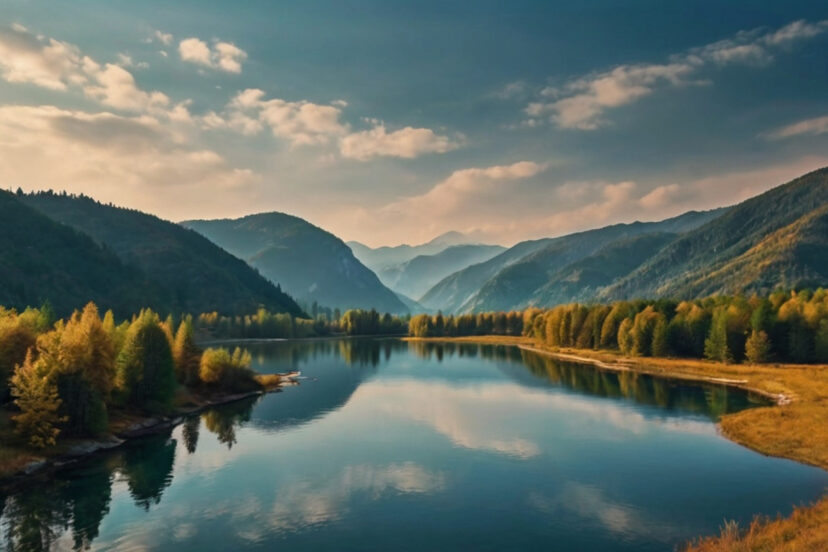
Dramatic clouds and skies can turn an average landscape into something unforgettable. I’ve photographed the same scene under a boring sky and then again beneath towering storm clouds—and the difference is incredible. In this guide, I’ll show you how to learn how to photograph clouds and skies for epic landscapes using practical, repeatable techniques that actually work.
If you want your landscapes to feel powerful, the sky is where the story begins.
Why Skies Matter in Landscape Photography
The sky isn’t just background filler—it’s an emotional engine. A flat sky drains energy from a photo, while dramatic clouds inject movement, scale, and mood.
When I arrive at a location, I look up first. If the sky is alive, the landscape automatically becomes more compelling.
Understanding Cloud Types and Their Visual Impact
Different clouds create different emotional responses, and knowing them helps you predict strong shots.
Cumulus Clouds
Cumulus clouds are bold and puffy, with strong definition. They work beautifully when side-lit during golden hour, adding depth and drama.
Stratus Clouds
Stratus clouds form flat, gray layers. They’re perfect for moody or minimalist scenes but need strong foreground elements to stay interesting.
Cirrus Clouds
Cirrus clouds are thin and wispy. They shine during sunrise and sunset when they catch warm color and stretch it across the sky.
Storm Clouds
Storm clouds are drama machines. Dark bases with glowing highlights can turn an ordinary landscape into something cinematic.
Planning Ahead for Epic Sky Shots
Dramatic skies reward preparation, not luck.
Using Weather Forecasts
I always check cloud cover, wind direction, and approaching fronts. Weather apps and radar maps help predict when clouds will build texture and light.
Planning lets you be in the right place before the sky explodes.
Best Times of Day for Dramatic Skies
Sunrise and sunset are prime time. Low-angle light sculpts clouds and brings out rich color naturally.
>>> Affordable camera kits click here <<<
Camera Gear for Photographing Clouds and Skies
You don’t need specialist equipment, but the right choices help.
Lens Choices
Wide-angle lenses (16–35mm) exaggerate scale and make skies feel massive. Telephoto lenses compress cloud layers for abstract, dramatic effects.
I switch lenses depending on whether I want the sky to dominate or complement the scene.
Filters That Enhance Skies
Polarizing Filters
Polarizers deepen blue skies and increase contrast between clouds. Rotate gently to avoid uneven effects.
Neutral Density Filters
ND filters allow long exposures, turning moving clouds into smooth, painterly streaks.
Camera Settings for Dramatic Sky Photography
Settings help translate what you see into what the camera records.
Aperture
I usually shoot at f/8 to f/11 to keep both clouds and landscape sharp.
Shutter Speed
Fast shutter speeds freeze cloud texture. Slow shutter speeds blur motion for a surreal, flowing look. Choose based on mood.
ISO
Keep ISO low (100–200) to preserve detail and dynamic range in the sky.
>>> Affordable camera kits click here <<<
Composition Techniques That Make Skies Pop
Even the best clouds need thoughtful framing.
Rule of Thirds with Skies
If the sky is dramatic, give it two-thirds of the frame. If it’s subtle, let the landscape take priority.
Using Foreground Elements
Trees, mountains, roads, or water anchor the image and guide the viewer’s eye upward into the sky.
Shooting Stormy and Moody Skies Safely
Storm skies are stunning—but safety always comes first. I keep distance from lightning, avoid exposed ridges, and watch wind changes constantly.
No photo is worth risking your life.
Editing Skies Without Overdoing It
Editing should enhance drama, not scream manipulation.
I adjust contrast, highlights, and clarity carefully. Dodging and burning adds depth, but subtle edits keep skies believable.
If viewers notice the edit before the emotion, it’s too much.
Common Mistakes When Photographing Skies
Avoid these common issues:
-
Ignoring foreground interest
-
Over-saturating blues and oranges
-
Blowing out highlights
-
Shooting without intention
A great sky still needs strong composition.
Practicing Sky Photography Anywhere
You don’t need epic locations. I practice in parking lots, fields, and city rooftops. Clouds don’t care where you are.
The more skies you study, the better you’ll learn how to photograph clouds and skies for epic landscapes.
Conclusion
Dramatic clouds and skies are a mix of patience, planning, and perception. When you understand cloud types, light direction, and composition, your landscapes gain emotion and scale. Master the sky, and your photos will never feel flat again.
>>> Affordable camera kits click here <<<
FAQs
What is the best lens for photographing dramatic skies?
Wide-angle lenses capture scale, while telephotos isolate cloud patterns beautifully.
Are cloudy days good for landscape photography?
Yes. Clouds add texture, depth, and mood to landscapes.
Do I need filters for sky photography?
Filters help, especially polarizers, but they aren’t mandatory.
How do I avoid blown-out skies?
Expose for highlights and recover shadows in post-processing.
Can beginners photograph dramatic skies successfully?
Absolutely. Observing clouds is one of the best ways to improve quickly.
Further photo tips here: