Beginner’s Guide to Composition: Balance, Symmetry & Visual Flow
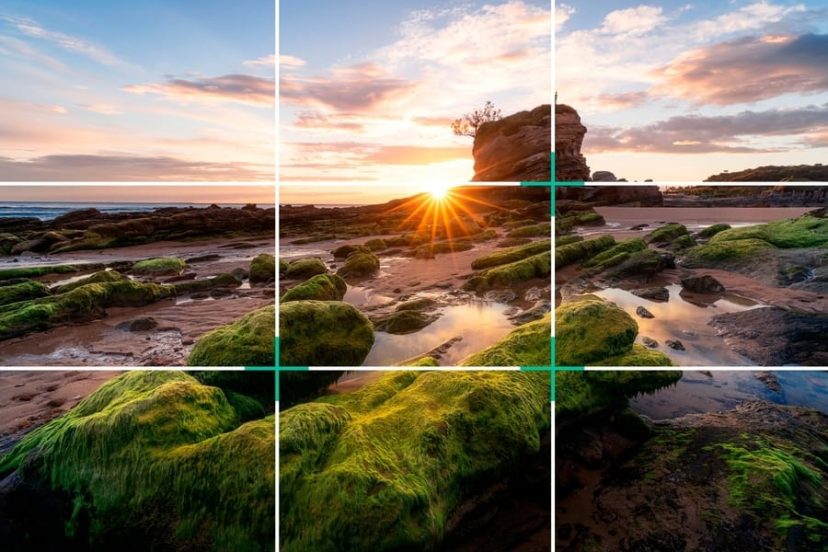
How to improve your compositions using symmetry, balance, and visual rhythm. When I first picked up a camera, I thought great photos came from expensive gear. Turns out, the real magic lives somewhere else entirely. Composition—the way elements are arranged inside the frame—is what separates snapshots from photographs. In this guide, I’ll show you how to improve your compositions using symmetry, balance, and visual rhythm, even if you’re just starting out.
Why Composition Matters More Than Camera Gear
A sharp photo can still be boring. A well-composed photo, even if imperfect, can be powerful.
Composition as Visual Language
Composition is how your photo speaks. It decides where the eye goes, where it rests, and how the story unfolds.
Why Beginners Should Start With Structure
Structure gives you confidence. Once you understand composition basics, creativity becomes easier—not harder.
What Is Composition in Photography (Simple Definition)
Composition is how visual elements are arranged within the frame. Light, subjects, space, and lines all work together like instruments in a band. When they’re in sync, the photo sings.
Understanding Visual Balance
Balance keeps your image from feeling like it’s about to tip over.
Symmetrical Balance
Symmetry feels calm and intentional. Think reflections, doorways, or centered subjects.


Asymmetrical Balance
Asymmetry is more dynamic. A large subject on one side can be balanced by smaller elements on the other.
Visual Weight Explained
Bright colors, sharp focus, and large objects feel “heavier” than dull or soft ones.
How to Use Symmetry to Strengthen Photos
Symmetry is one of the easiest ways for beginners to improve instantly.
Perfect Symmetry
Centering your subject can feel bold when symmetry is strong and intentional.
Broken Symmetry for Interest
I often break symmetry slightly to add tension—like a ripple in a reflection.


Visual Flow: Guiding the Viewer’s Eye
A great photo doesn’t just sit there—it moves.
Leading Lines
Roads, fences, shadows, and rivers naturally pull the eye through the frame.


Repetition and Rhythm
Repeating shapes or patterns create rhythm, like beats in music.
Visual Rhythm vs Chaos
Too much repetition without variation feels boring. Too much variation feels messy. Balance is key.
Using Framing to Improve Composition
Frames inside your frame—windows, arches, branches—add depth and focus attention.


The Rule of Thirds and When to Break It
The rule of thirds is a great starting point, not a law. I follow it until the photo tells me not to.
>>> Full range of compact cameras for great composition CLICK HERE <<<
Combining Balance, Symmetry, and Flow
This is where things click. A strong photo often uses all three—balance for stability, symmetry for harmony, and flow for movement.
Composition Mistakes Beginners Make
-
Centering everything without intention
-
Ignoring backgrounds
-
Too many competing subjects
-
No clear visual path
If your eye feels confused, the viewer’s will too.
Step-by-Step: How I Compose a Shot
-
Identify the main subject
-
Check balance across the frame
-
Look for symmetry or rhythm
-
Use lines to guide the eye
-
Simplify the background

Practice Exercises to Train Your Eye
Practice without your camera. Frame scenes with your hands. Study paintings. Composition is seeing before shooting.
Composition in Different Photography Genres
Landscape favors balance and flow. Portraits love symmetry and framing. Street photography thrives on asymmetry and rhythm.


Conclusion
Great composition isn’t about rules—it’s about relationships. When you improve your compositions using symmetry, balance, and visual rhythm, your photos feel intentional, engaging, and alive. Master these fundamentals, and every genre becomes easier.
>>> Full range of compact cameras for great composition CLICK HERE <<<
FAQs
1. Is composition more important than lighting?
They work together, but composition gives light a purpose.
2. Should beginners always follow the rule of thirds?
It’s a guide, not a requirement.
3. How do I improve composition faster?
Study great photos and practice intentionally.
4. Can composition be fixed in editing?
Sometimes—but strong composition starts in-camera.
5. What’s the easiest composition technique to learn?
Symmetry. It’s simple and powerful.
Further photo tips here: